Learning to Dive.
“If you’re going to learn to dive, you’ll have a lot more fun if your first experience is in clear, warm water. The best place is Bonaire,” my friend announced. He sounded quite sure. He’s a hard-core diver.
“Never heard of it.”
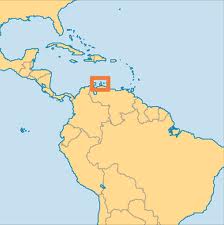
“It’s one of the Dutch Antilles islands, near Venezuela. Three little islands – you’ve probably heard of the more touristy ones, Aruba and Curacao. Bonaire is the quietest – the whole thing is a marine park. To protect the reefs, boats can’t even drop anchor there. It’s a diver’s paradise. Clear, warm water, tons of fish, beautiful coral. Plus, it’s probably the best shore-diving in the world – just pull the car over, put on your gear, and step into the water anywhere you feel like.”

Sounded great. I was ready, so I put the word out, and got my flight. My sister Jen, her husband Jeff and my cousin Bob all decided to come along and learn, too, and another old friend, Rob, came along for the snorkeling, and to be our navigator.
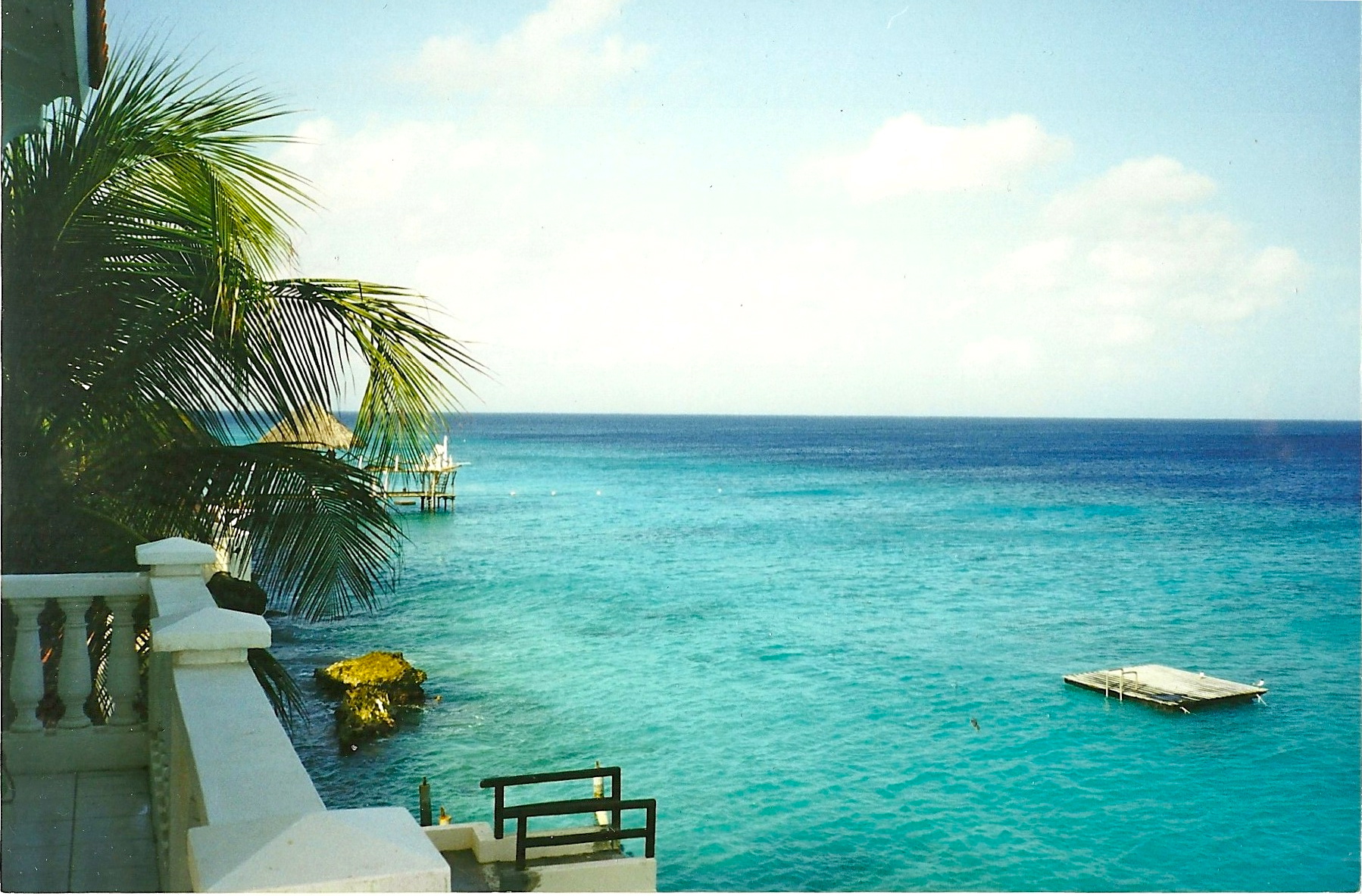
We found a place to stay, steps from the water. One of the highlights was diving right outside, at night. Playing in the phosphorescent water was like stirring the stars around with your hands.

We loaded up on beer, and Cuban cigars. My beautiful sister was a natural, I thought.
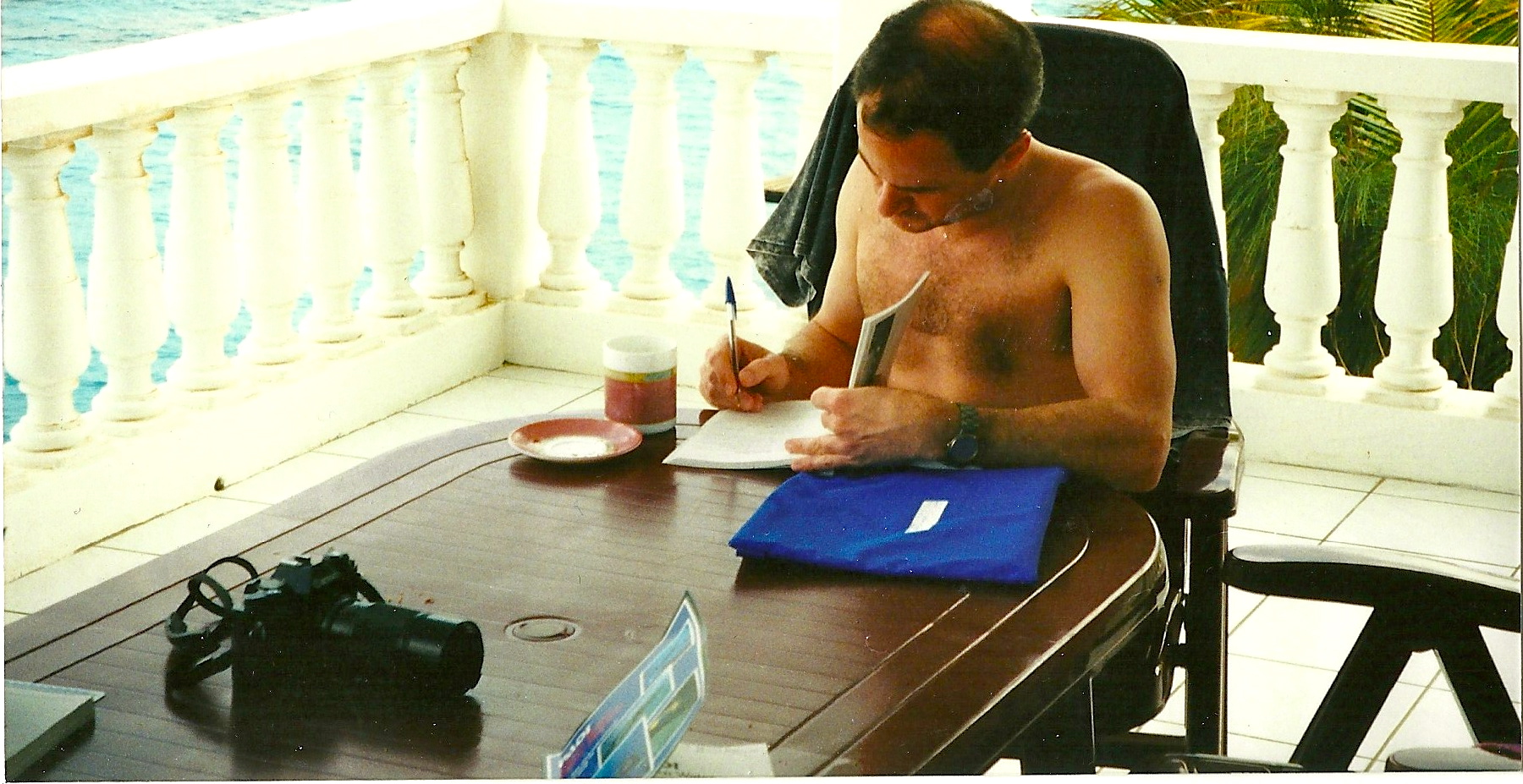
It takes a few hours of study to pass the certification exams. Bob found a comfortable place to cram.
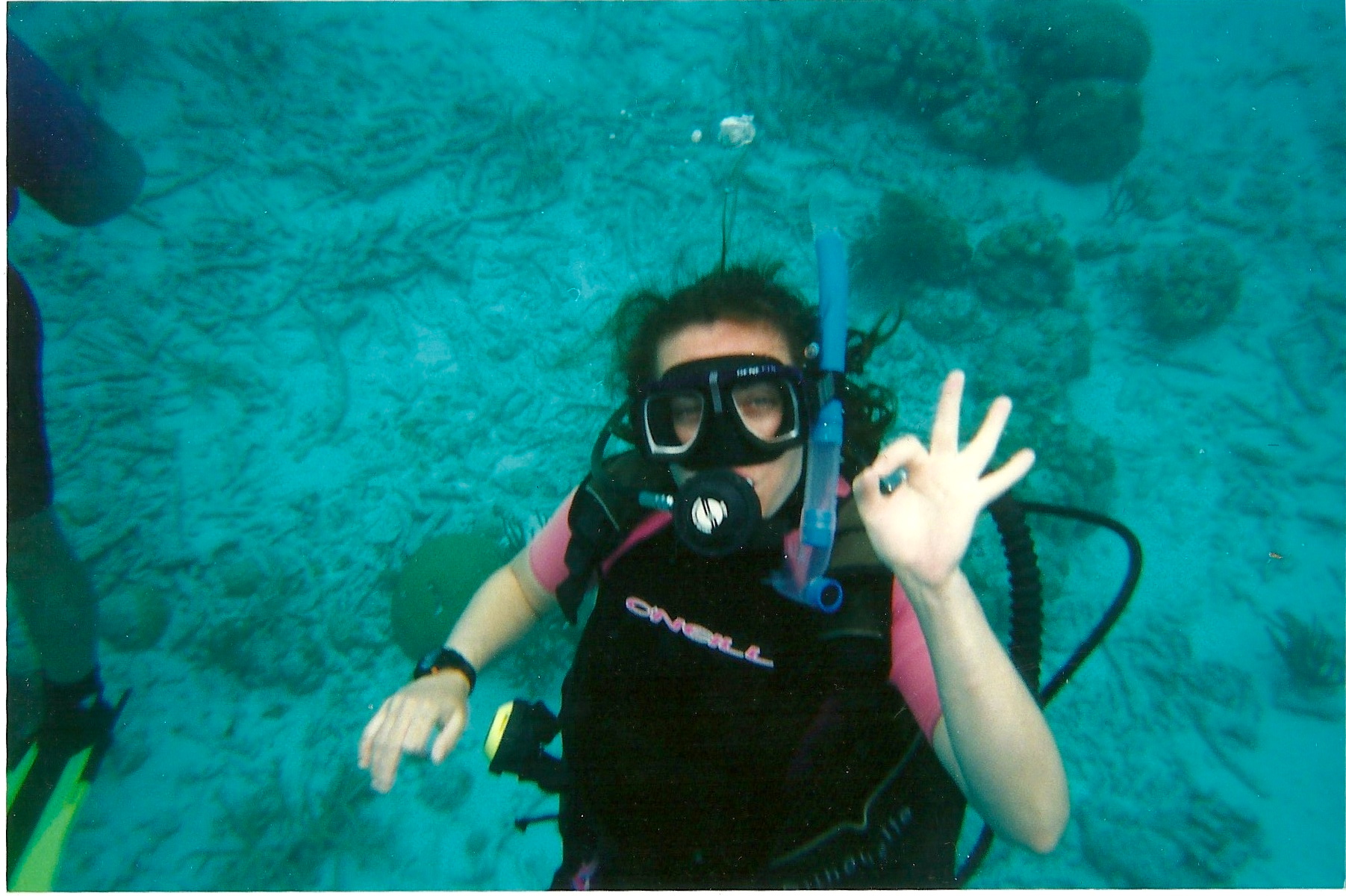
We practiced our underwater communication and safety skills.
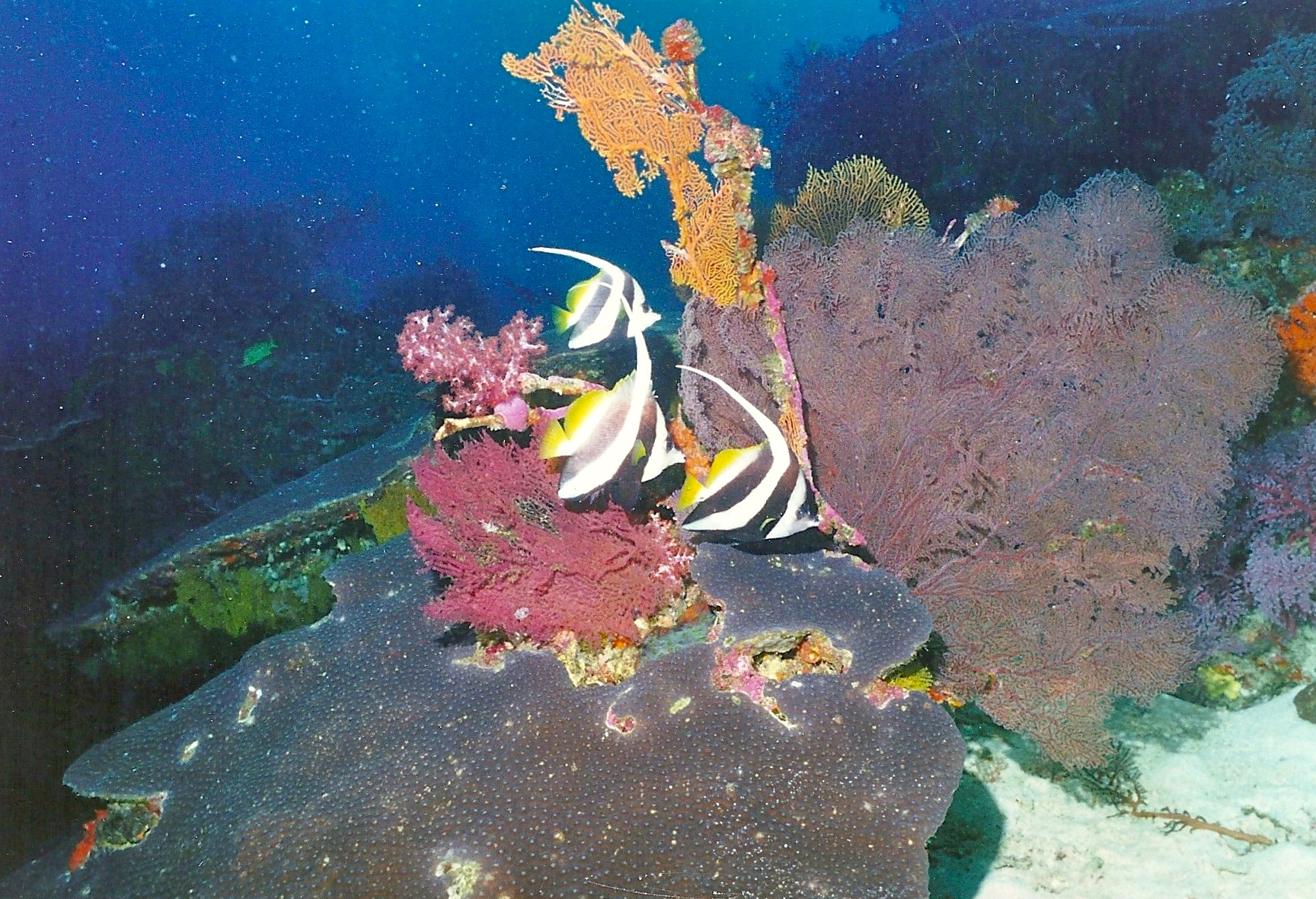
From the very first dive, we were hooked. So beautiful.
Diving is an expensive hobby – flights, hotels, equipment, boat rides – but it is as close to experiencing another planet as most of us will ever get. Good snorkeling will give you 80% of the pleasure for a fraction of the cost, but if you’ve got the coin, that last 20% is amazing.

Bonaire has one sleepy town, reasonably charming. Decent restaurants – we ate some delicious goat stew. The locals speak English, Dutch and Spanish.
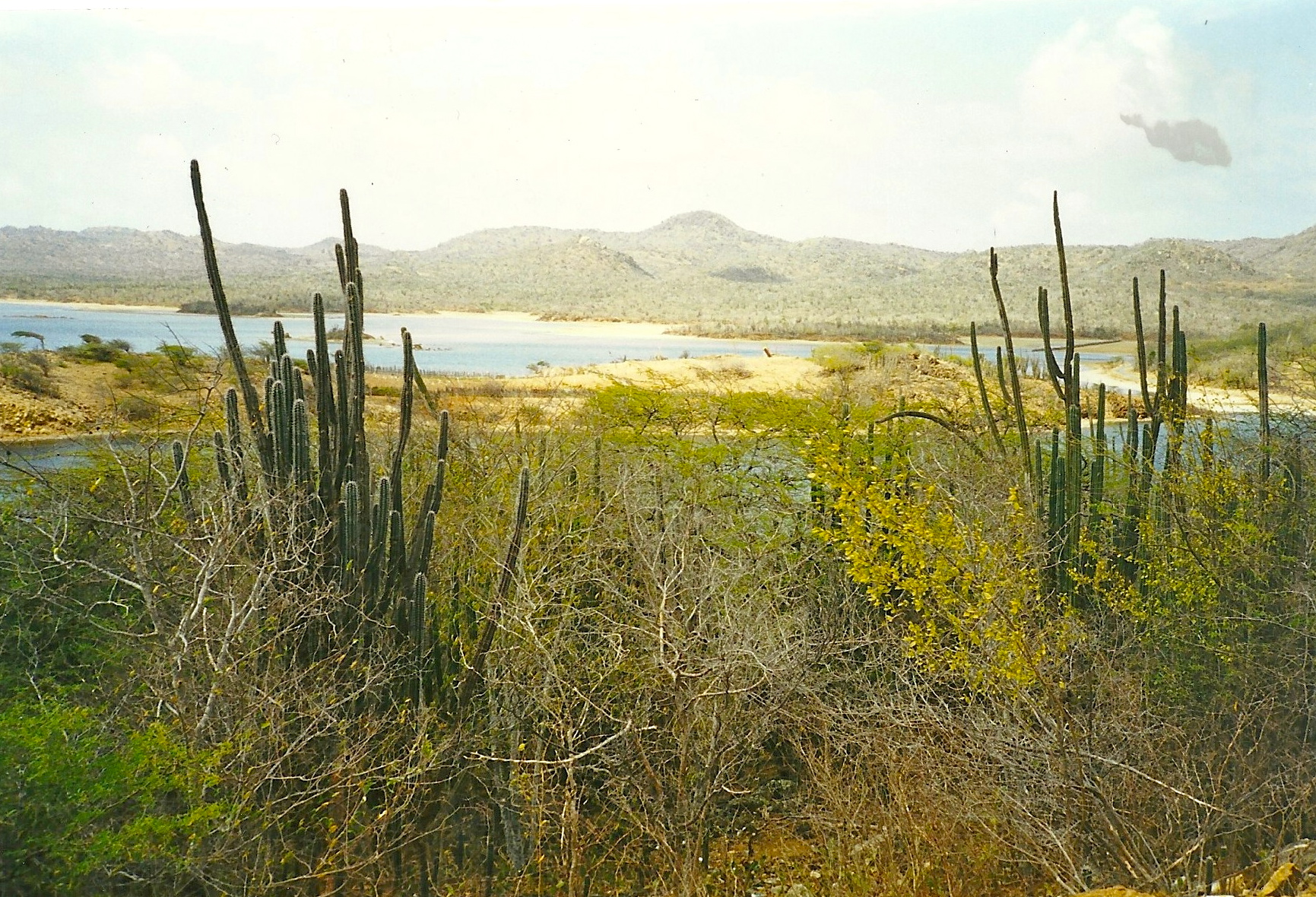
The island is the classic “desert island” – low, flat, hot, dry and windy. We explored it between dives. The diving is on the western (leeward) side – there was good wind-surfing on the other, windward side.
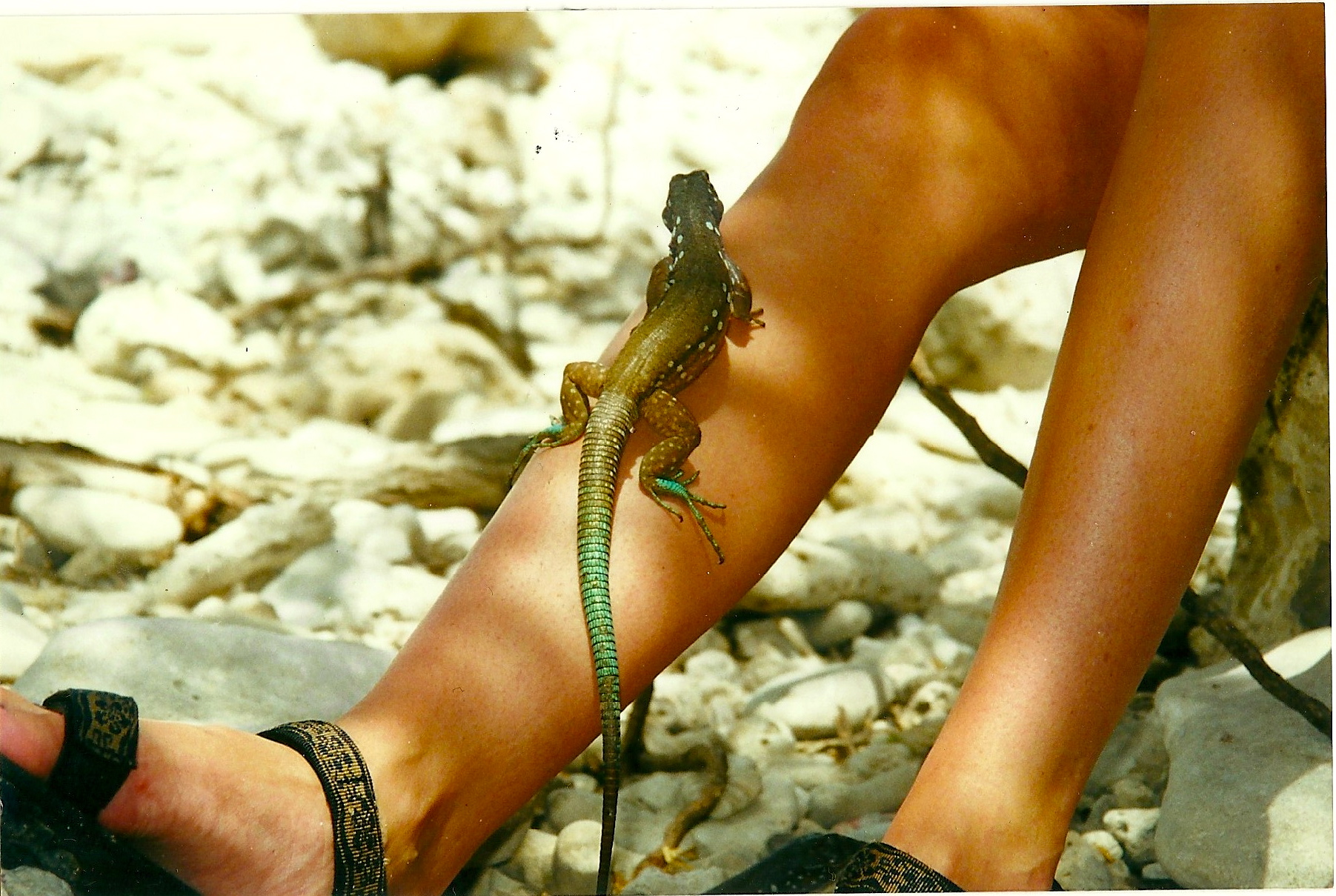
The locals could be bold if you smelled ripe. Apparently, I did.
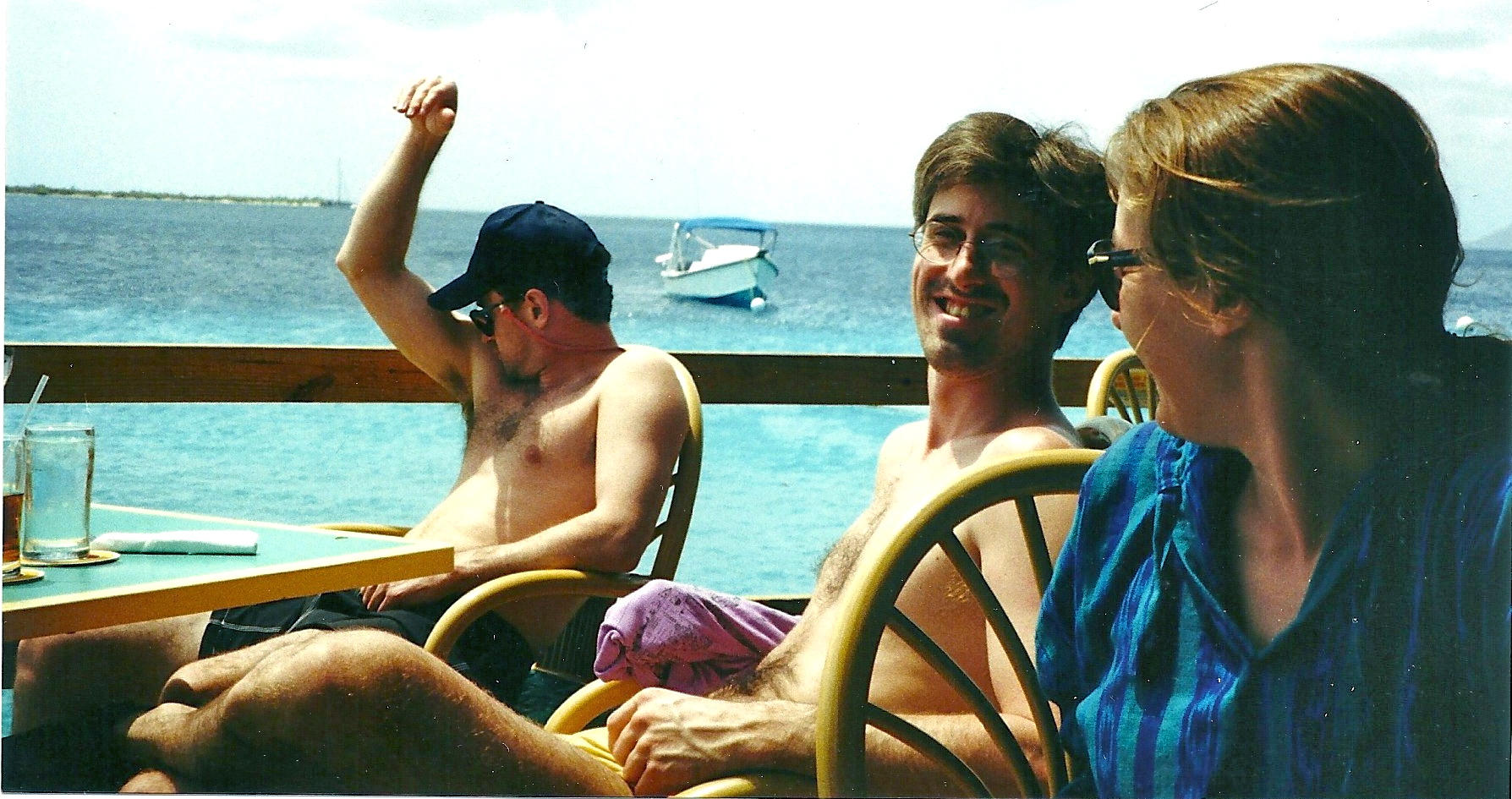
So we learned to stay clean and odor-free. I stopped shaving, though.

The flamingos were another attraction. They liked the salt-mining ponds.
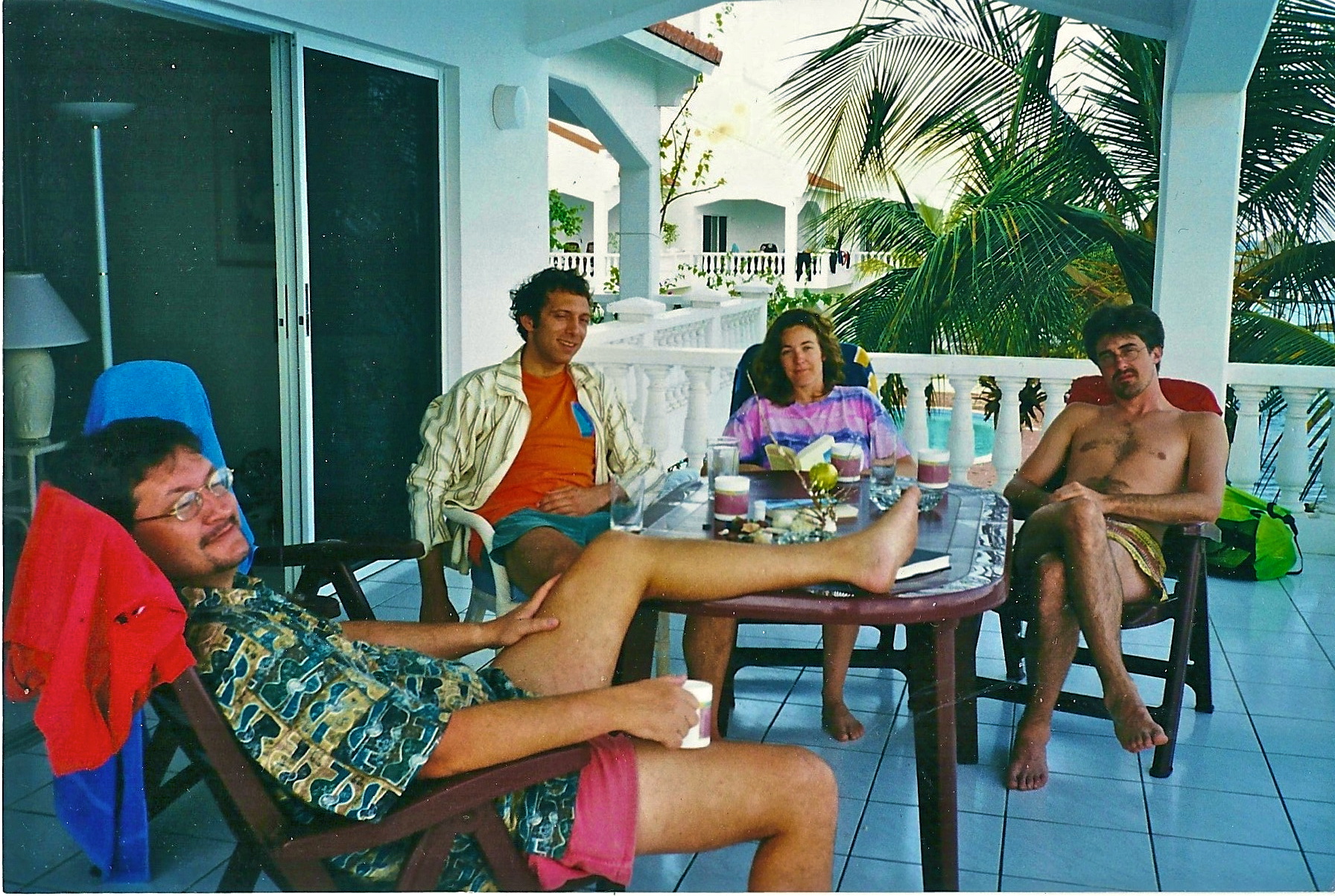
I completely blew my first deep dive. I lost my buddy diver, then I lost my buoyancy control, rapidly ascending from 90 foot depth to 15 feet, putting myself at fairly serious risk of getting “the bends,” which can be deadly. I’m pretty sure I caused myself some degree of permanent brain damage that day, but… it felt kind of good. Turns out, the stupider I get, the happier I am. Like a Republican.
Bali High, Bali Low

There are two kinds of travel writing – the glowing, and the honest. You see the glowing stuff all the time, in the guidebooks, the Sunday travel section, and in gauzy memoirs like “Eat, Pray, Love,” “A Year in Provence,” and “Under the Tuscan Sun” (each of which I liked a lot). The honest approach just isn’t that appealing to most people, and usually doesn’t sell.
The hard truth is that travel is often uncomfortable, boring, inconvenient, exhausting, expensive, infuriating – and sometimes even a little dangerous, at least to your health. But who wants to read about that?

For example, most travel books don’t focus much on the bugs, but they’d be more honest (and useful) if they did.
In Bali we got hundreds of bug bites, all over our bodies. They itched like mad – I made several bleed. Thirty on my left arm alone. We never knew for sure whether it was bed bugs, sand fleas or mosquitoes – or some of each. Since Bali is on the equator, all are good candidates.

I’m pretty sure it was bedbugs, which sucks because we were in a pretty nice hotel, and that means there’s always a risk, no matter where you stay. I’m usually a live-and-let-live sort of person – I put spiders and cockroaches outside rather than kill them, but when it comes to bedbugs, I don’t mind saying I hate the little bastards.
This kind of travel is not for everyone. Before we left, we described our itinerary to one friend who said “it makes me tired just thinking about it.”
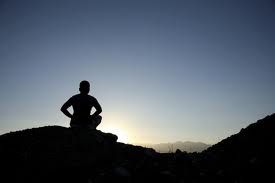
So, why put yourself through all the aggravation and expense of travel? For me, it’s all worth it for the occasional “peak experience.” You have to climb the mountain to get the view, and no one bitches and moans more than me during the climb, but the view is forever etched into your soul. It’s worth it.
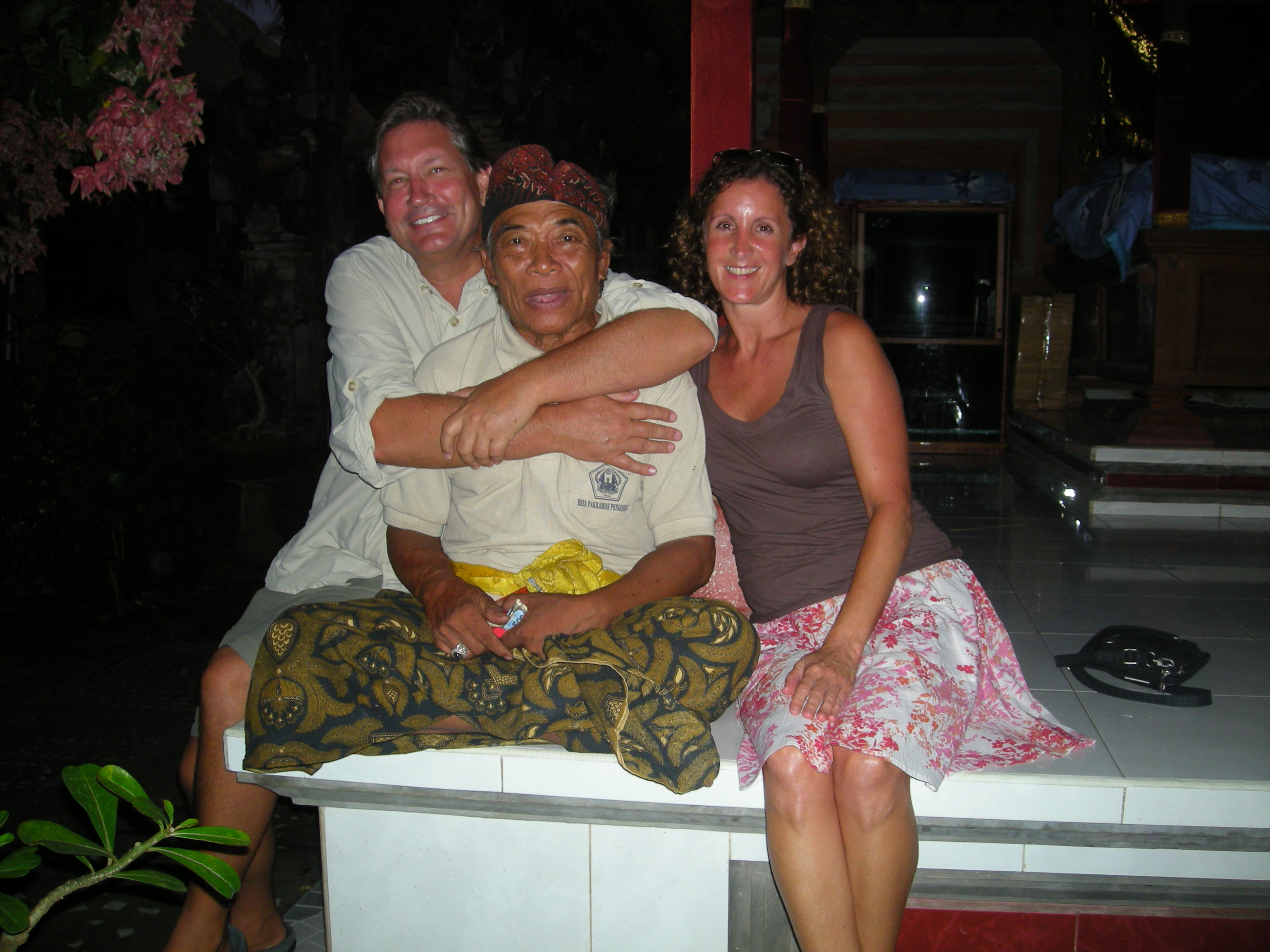
Like the day we met this tiny old Balinese healer with a sweet face. He was self-taught, illiterate, and partially crippled. We got to talking and he invited us to his modest home for some “treatment.” I was skeptical, to say the least, figuring he was just another hustler, living off gullible enlightenment-seekers. He had us lay on a thin, dirty mattress, placed crystals on our chakra points, then started grinding into our toe joints with a plastic cigarette lighter. In my case it hurt like hell – I started pouring sweat and flopping around like a fish in agony, but when it was over we both felt great. He diagnosed us both with detail and accuracy – I was really surprised. When we asked what we owed him, he said leave whatever offering you like at the alter in the corner. When we left, I was thinking about how rarely we meet witch doctors at home, what a cool experience it was, and how I’ll remain deeply skeptical anyway. Unforgettable.
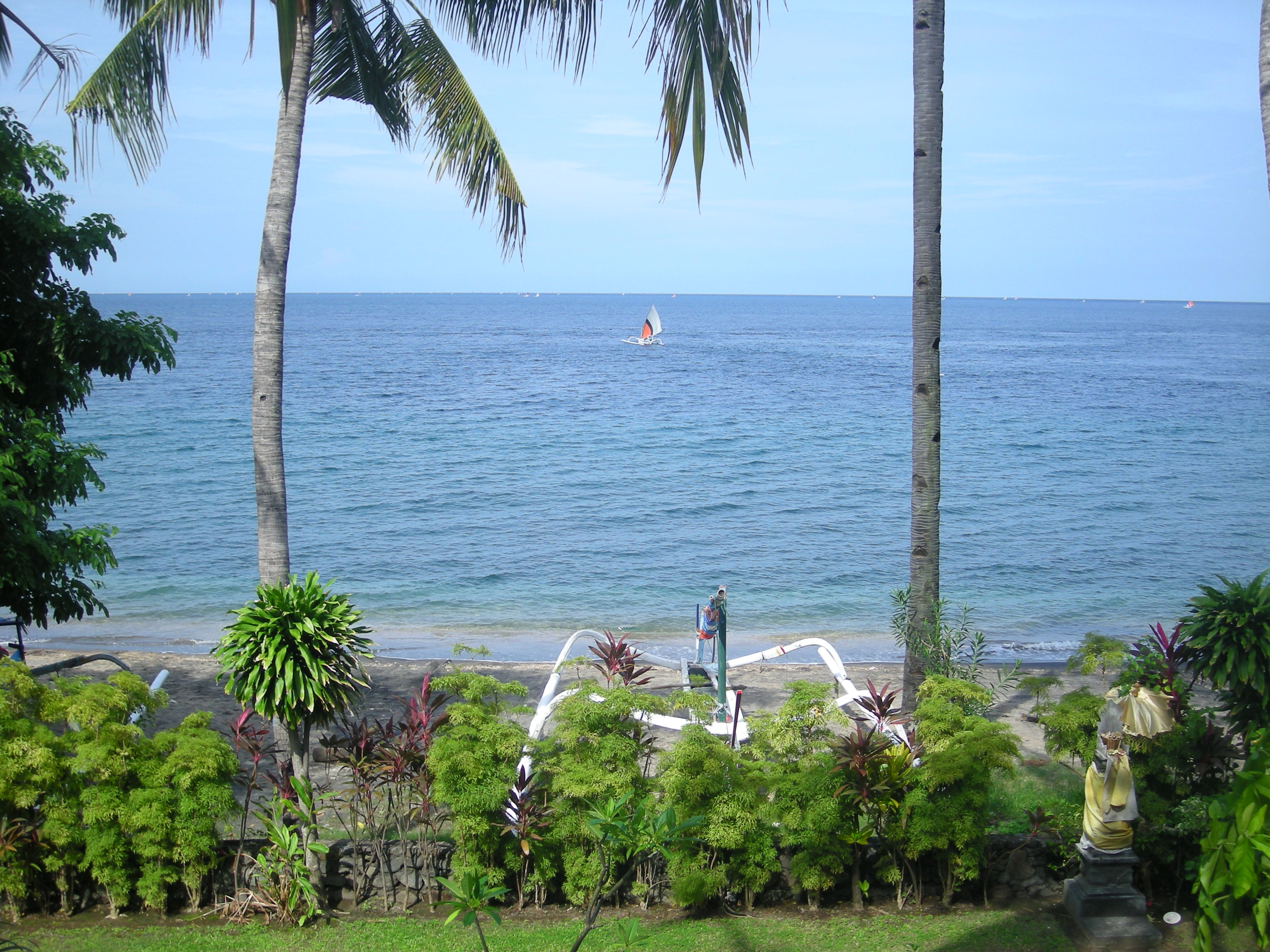
The travel literature calls Bali paradise, but it’s a lie. Over the years, they have regularly slaughtered each other, like most places. Bali is a good place for exotic adventures and cultural exploration, but not for the classic tropical beach “paradise” experience – for that, head to Tahiti or Hawaii or the Caribbean – the beaches in Bali just can’t compete in terms of quality or cleanliness.
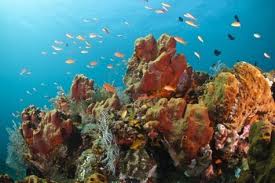
The coral is pretty good, and there are lots of interesting fish, but there’s garbage floating in the water and strewn over the reefs, the visibility is so-so, and there are a lot of stinging jellyfish – not lethal, but plenty annoying, like mosquitos.
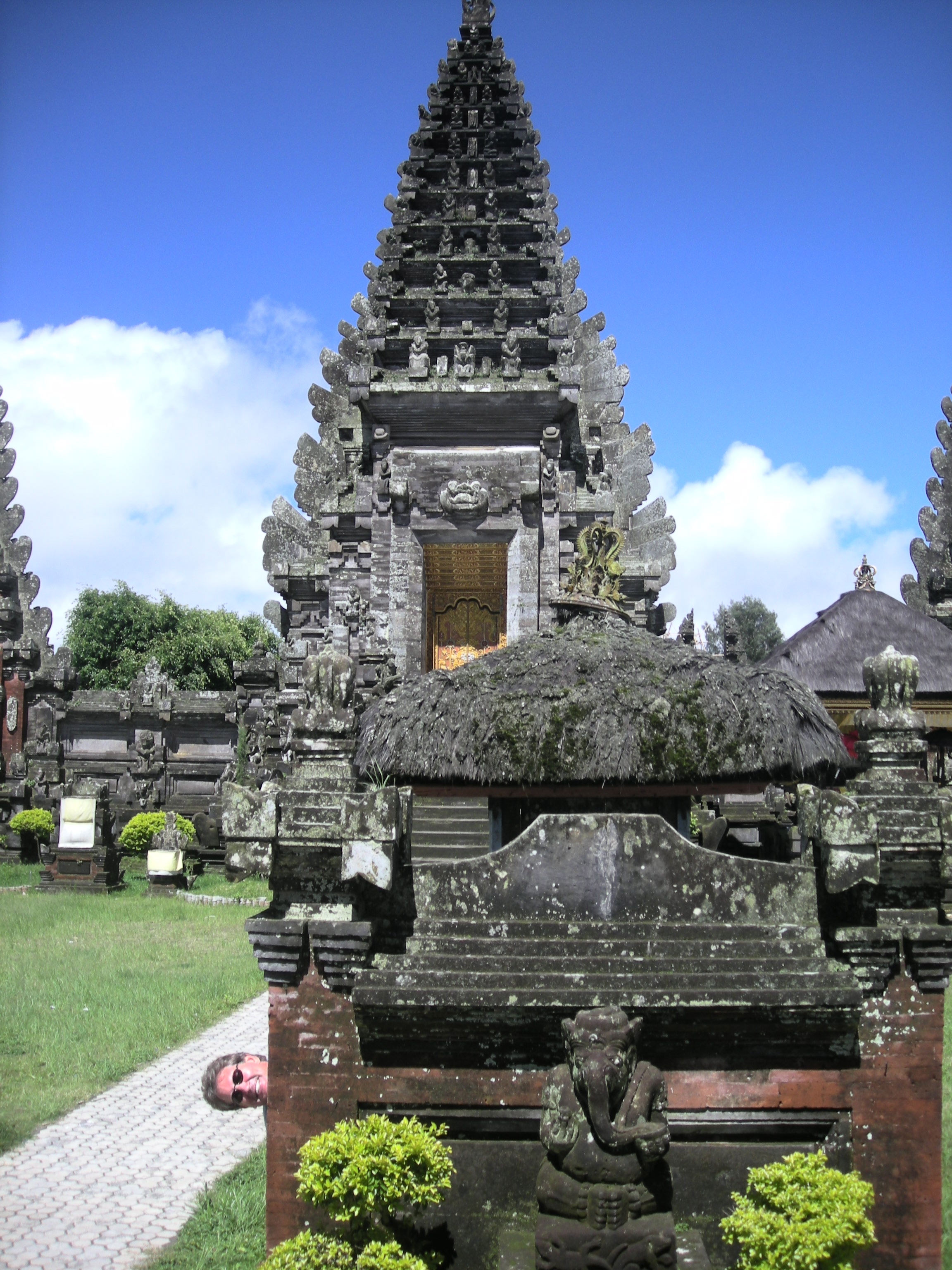
Bali is great for exploring the intricate architecture of ancient Indiana Jones-style temples in steaming jungles,
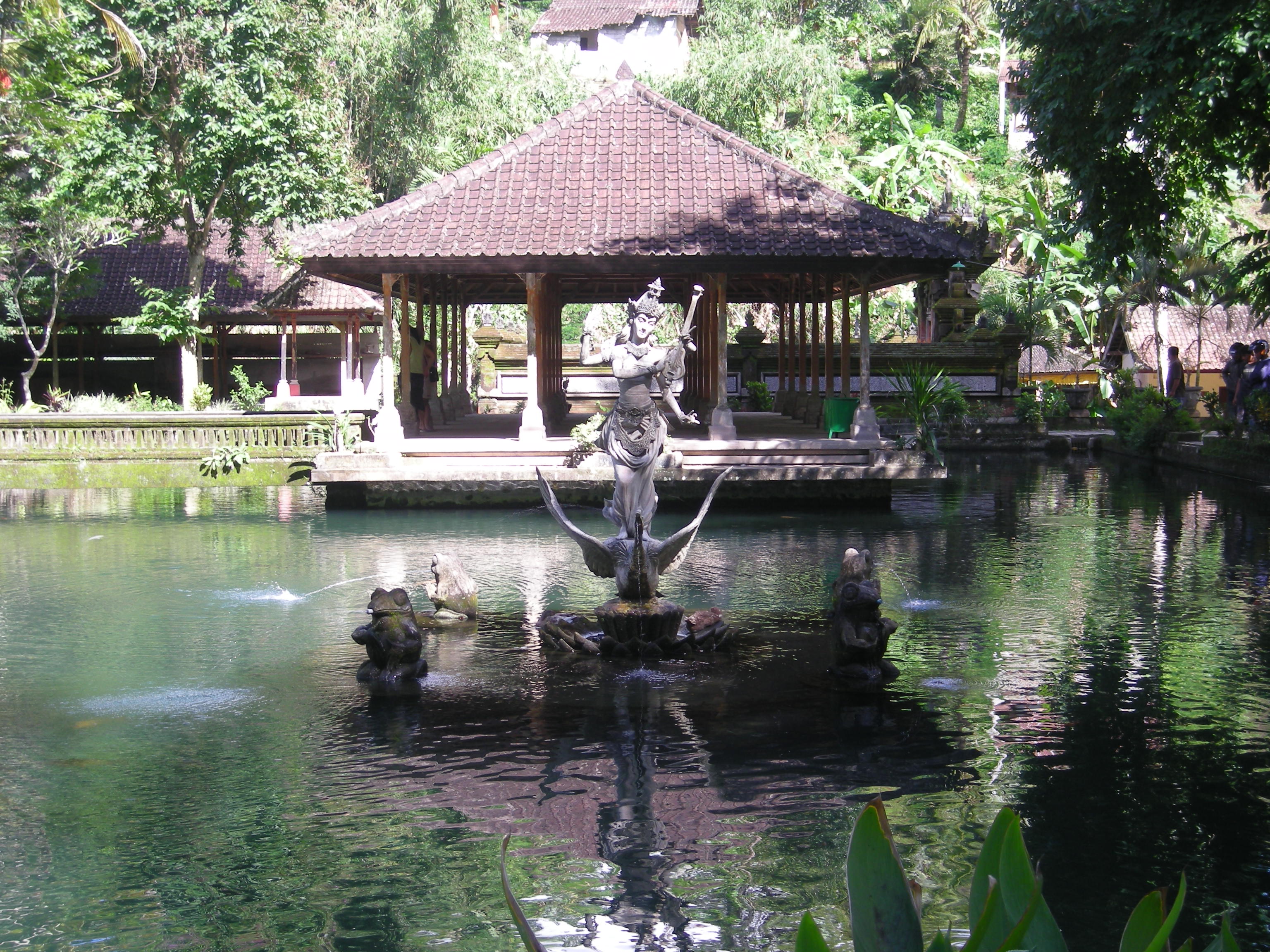
wandering through tropical gardens and lovely old rotting palaces,
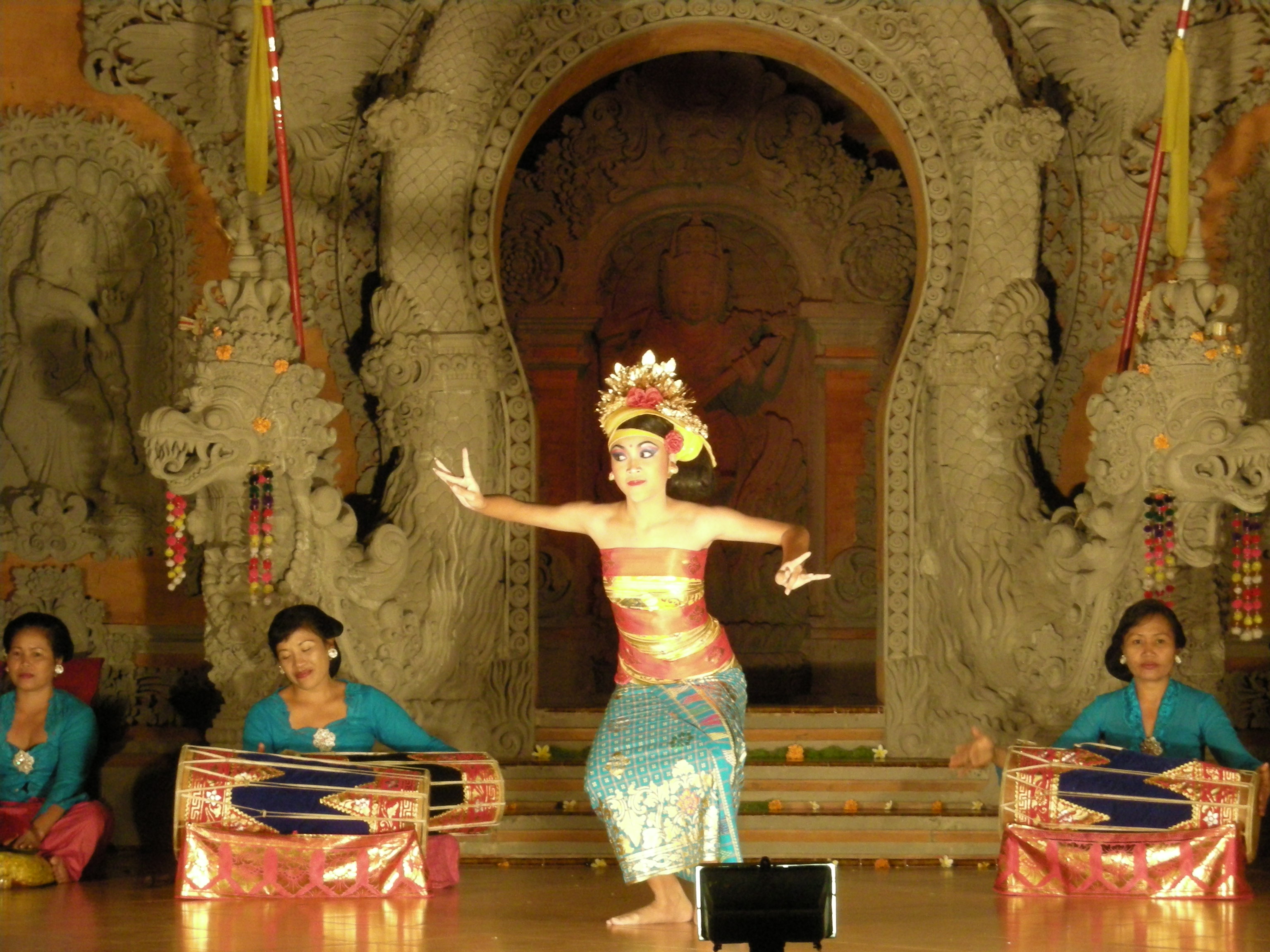
and exotic dancing in brilliantly colorful costumes. It’s also great for crafts like batik, cloth, painting, wood and stone carving, jewelry and furniture, and anything relating to the unique Balinese Hinduism that permeates life there.
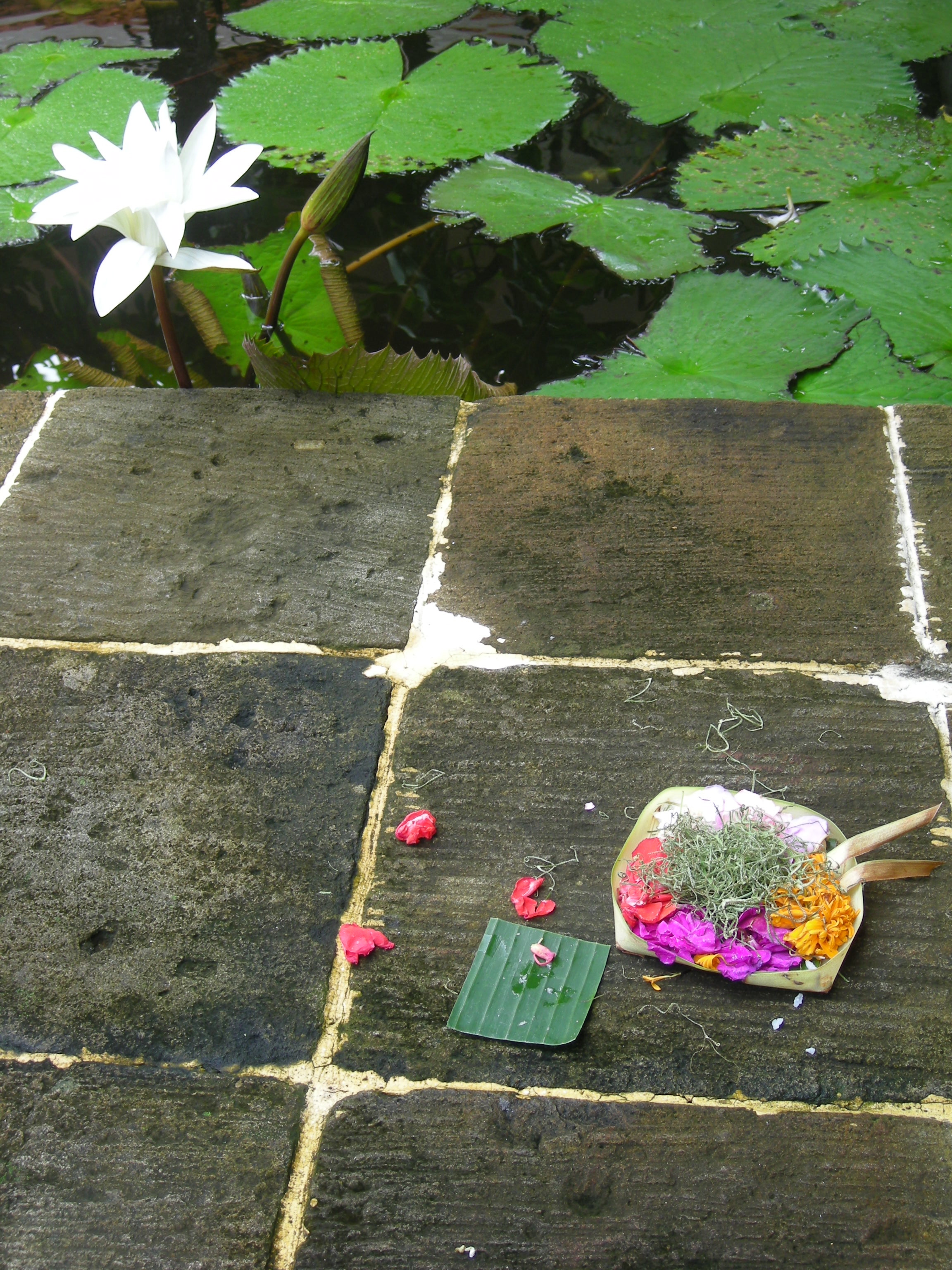
There are religious offerings scattered everywhere you go – sidewalks, doorways, window sills. The average Balinese spends something like three hours a day on religious ceremony and ritual. There are parades almost every day. It’s beautiful and fascinating – and probably explains some of the grinding poverty.
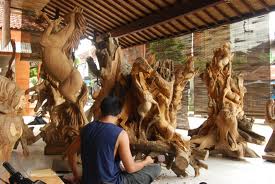
The money is the rupiah, and it’s 9400 to the dollar, so the shopping is fun and cheap, once you get used to seeing prices in the millions. The island is about the same size as Hawaii’s Big Island, but instead of 150,000 people like there are here, it’s crammed with 3.5 million, most of them struggling to leave the third world and enter the second. A quarter of them can’t afford the basics like school, so 25% are illiterate and anything based on labor is dirt cheap. Minimum wage is $4 a day around town – less out in the rural areas. Since the two terrorist bombings in ’02 and ’05, tourism is down, which forces many of the people to work the rice paddies just to survive. Working for food, as they say. And gas for their ubiquitous motor scooters.
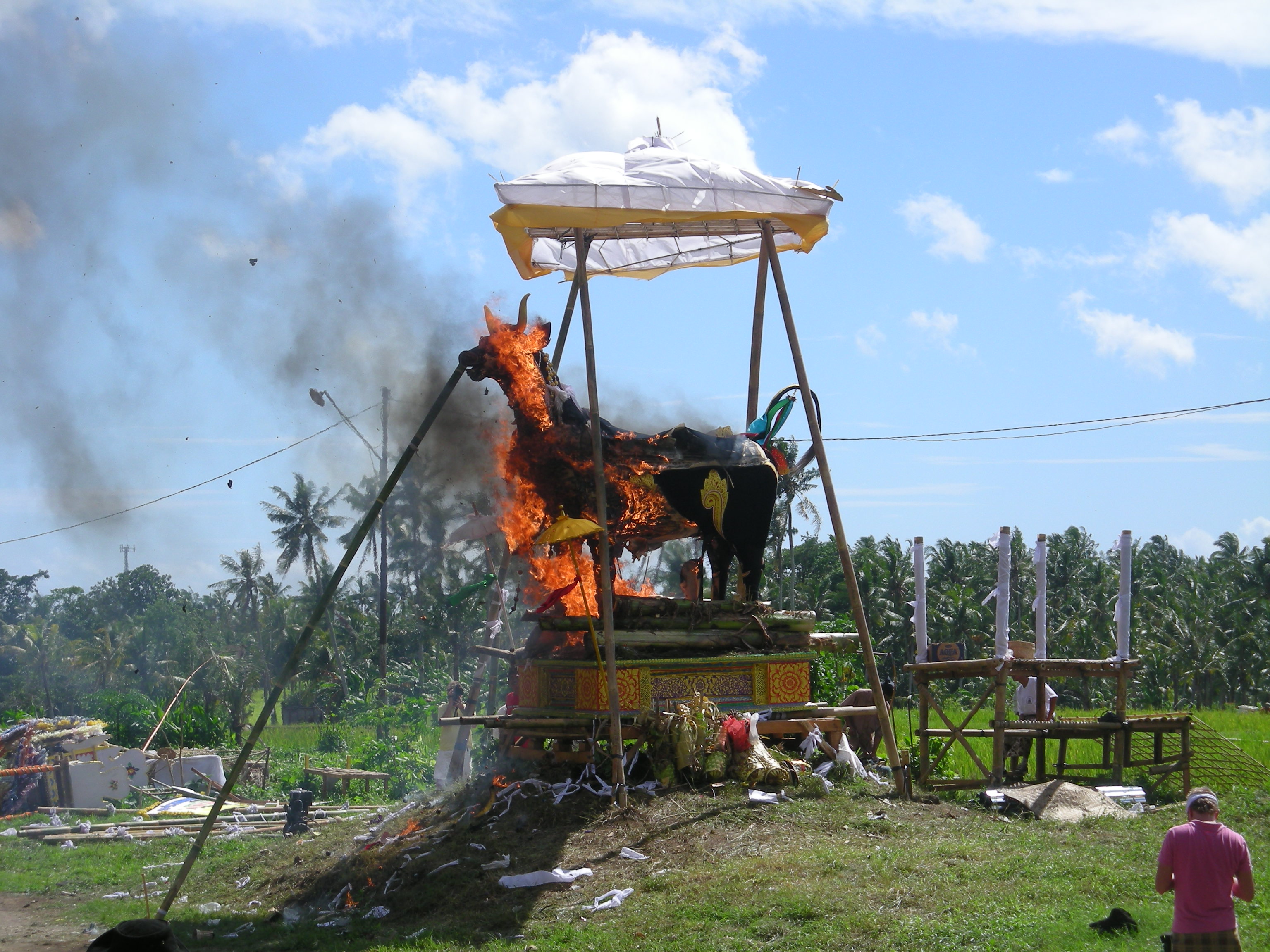
Their funeral ceremonies are fun – a big outdoor party where they cremate the departed on a tall platform, encased in a bull-shaped pinata.

We stopped in at my first cockfight, in a wild crowd that felt like the Russian Roulette scenes in the movie “The Deer Hunter.”

Twice we were stopped by well-dressed cops – each time we had to pay a 20,000 rupiah bribe to proceed. It’s only about $2 but, still, corruption sucks. Our driver told us that if he could, he’d like to kill all the cops.
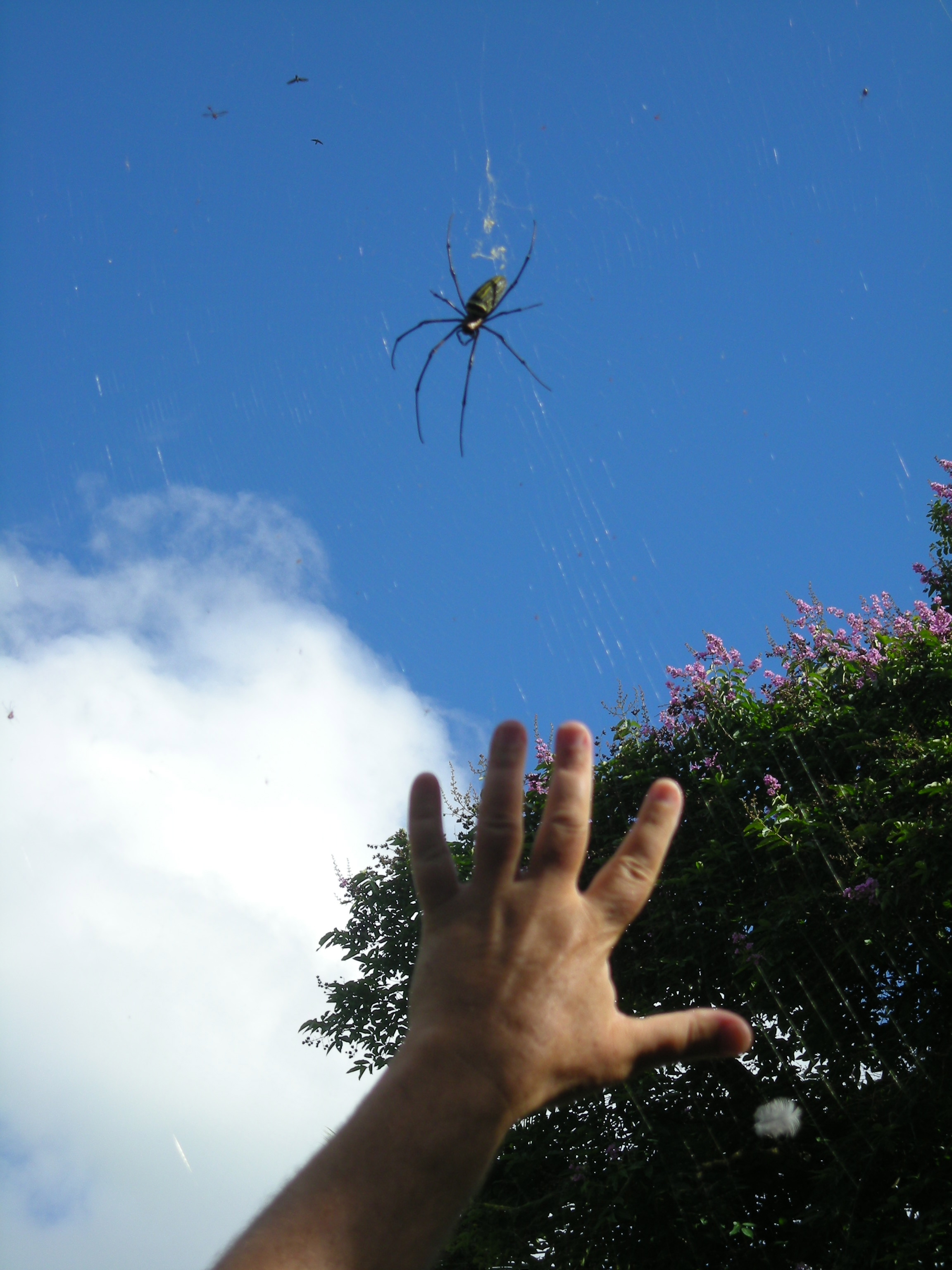
There are some pretty big spiders in the tropics. Mostly benign, but still.
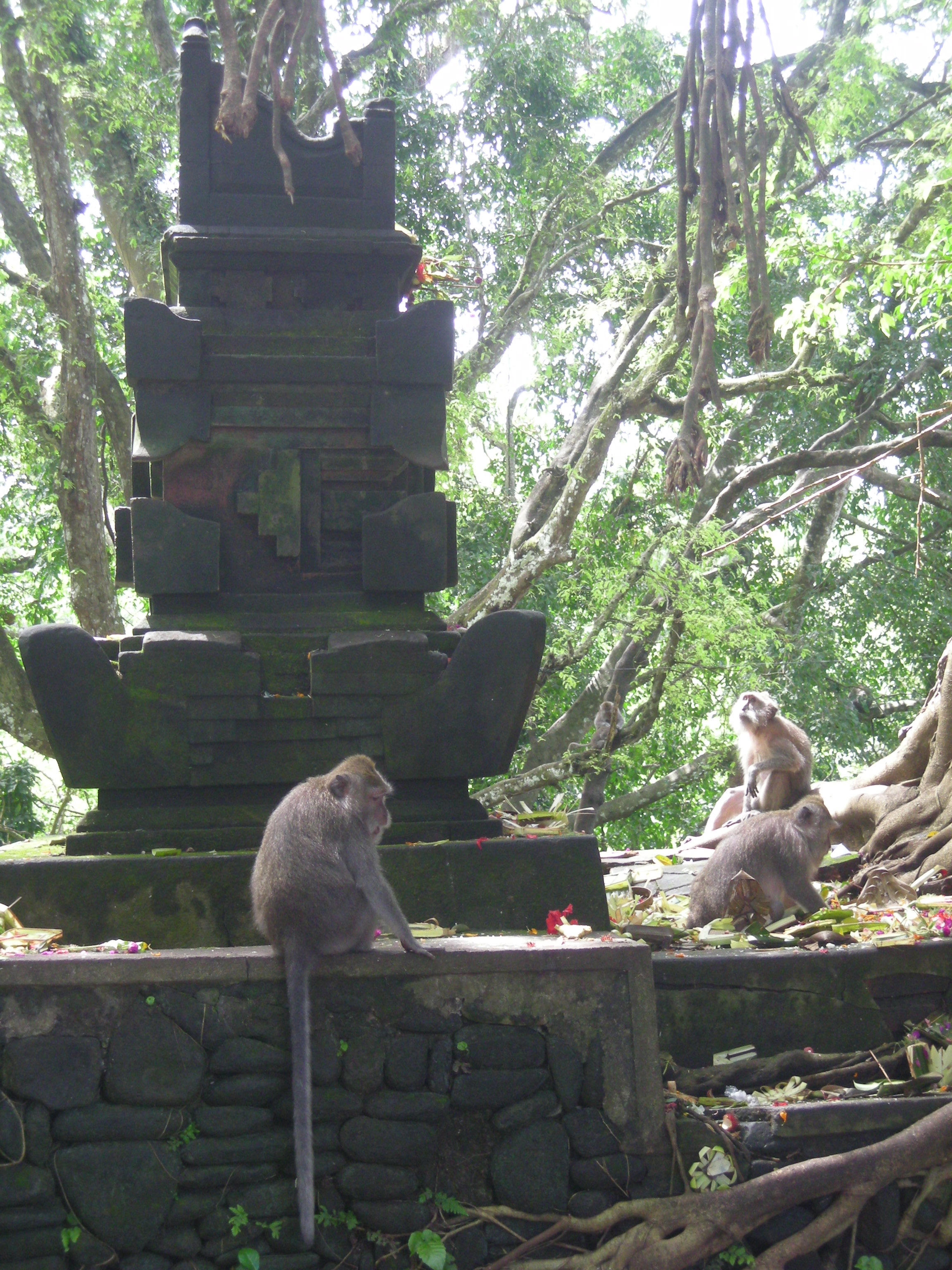
And monkeys, everywhere. Bali isn’t paradise, but then, neither is Hawaii. They’re both fantastic, though. I just think it’s best to go with your eyes open, armed with accurate information, and bug spray.
Japanese honesty.
|



Toilet humor
Okay, this post isn’t to everyone’s… tastes. You’ll want to skip it if you’re squeamish. Or well-bred, or about to eat. If you’re like me, though, with the maturity of a twelve-year-old, this stuff is hilarious.

We’ve all encountered some nasty toilets along the way. People can be pigs. Everyone’s been in the outhouse so bad your eyes water and a single shower doesn’t feel like enough.
I think the most memorable for me was in a poor community in the West Bank, Palestine. It was of a design common throughout much of the world – no seat, just slightly-raised footpads and a hole to aim at.
What made this one so memorable was two things. First, it seemed no one had ever managed to actually hit the hole in the entire history of the place. Just mountains of stuff all around it, on the footpads, floor, everywhere. Second: there was a long brass pull-chain hanging there. When I pulled it, water came streaming in from pipes along the baseboards, covering the entire floor area and draining into the hole. So with every flush, filthy water would cover your feet, as if you were standing inside the toilet. It was gross, and utterly ineffective. I was wearing flip flops.

On the other end of the spectrum are the Japanese. So polite. So fastidious. Their toilets are so spotless you feel you could eat off them, and so high-tech you feel like you’ve been transported a couple of centuries into the future. Press a button and a tiny robot comes out to give your butt a vigorous scrub with warm water and a towelette, press another for a lingering kiss of warm drying air. Press another for a spritz of perfume to make your nethers smell of cherry blossoms. Repeat until you are sufficiently sanitized, or until you stop giggling.
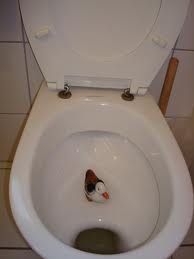
Then you have the German toilet. Clean and well-engineered, but… instead of a pool of water, they have a large shelf designed to collect your waste, which you then must clean off with a brush. When asked why it is designed like this, the Germans invariably reply “So that you may inspect your production.”
I must add that I have really liked nearly all the Germans I’ve ever met, except one elderly (and perhaps Nazi) lady. As a rule, Germans look and act like Americans, except hipper, more progressive, more reliable and more conscientious. They build incredibly high-quality products. Most Americans are unaware that more Americans have German blood than have English blood, but it’s a fact. From what I can gather, the Garske clan comes from a small town in east Germany.
But poop-inspection stations in every home, as a nation-wide phenomenon? That seems pretty Freudian. I wonder if anal-compulsive neuroses are genetically passed down, if it’s purely cultural, or perhaps related to complex issues of guilt and shame. In any event, I was relieved that, when I left the restroom, no one asked to see my papers.
It’s a small world, after all.

Hitchhiking in Nova Scotia, 4000 miles from my home in Walnut Creek, California, I was picked up by a man in a Volkswagen beetle. Turned out he was on his way to California, to attend the wedding of a girl I grew up with. Weird.
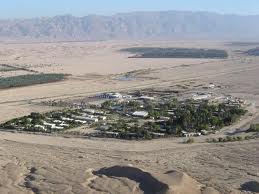
A few years later I was in the common room at a kibbutz, in the Negev desert, in Israel. A couple of strangers were playing chess in the corner. I asked to play the winner, and we started chatting. One was an American about my age, from the east coast. Turned out his college roommate at Yale was a childhood friend of mine.
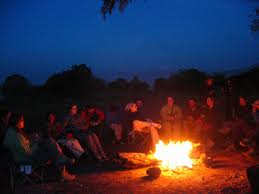
Sitting around the campfire on safari in remote Kenya, a stranger asked me what I did for a living.
“Video games,” I replied.
“Ever heard of a game company called Acti-something?”
“Activision?”
“Yeah, that’s it.”
“I worked there until a couple of months ago.”
“Do you know someone named Rod Cousins?”
“Pretty well – he was head of our office in the UK.”
“I was at his wedding on Saturday, in London.”
Okay, everybody sing along.
It’s a small world after all….
It’s a small world after all…
Sorry.
Under African Skies
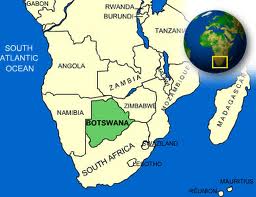
I loved Botswana – I plan to go back and spend a month exploring it in depth, some day. It’s the size of Texas and only has about two million people, so it’s one of the least densely populated countries on earth – a vast piece of unsettled, almost pristine Africa.
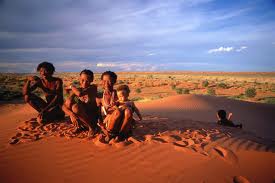
Seventy percent of it is covered by the Kalahari desert – the rest is thick with elephants.
When it gained its independence from the UK, Boswana was one of the poorest nations on earth, but now it’s one of the richest, safest and best-governed countries in Africa. A real success story.
See its northern tip there on the map? Four countries come together in the middle of the mighty Zambezi River there – Botswana, Zimbabwe, Zambia and Namibia.

The “four corners” spot is just a little ways upstream from the legendary Victoria Falls. If you go see it, prepare to be completely soaked, even if you’re viewing it from 500 yards away.

We stayed near the falls, on the Zambia side – few people venture across the river into Zimbabwe these days – it’s unsafe.
Zebras wander the hotel grounds. They’re certainly charming, though horses smell better.
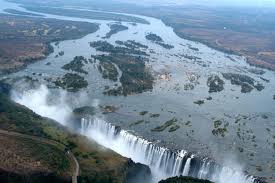
Victoria Falls is a bit like Niagara, except yellow, four time wider, and teeming with crocs and hippos.
We took a day-trip across the river into Botswana’s Chobe National Park, stopping for a few minutes to enjoy the sensation of having our butts in four countries at once. It’s certainly an efficient way to grow your “countries I’ve visited” list, though it’s cheating, of course.
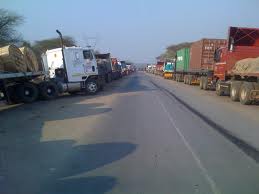
At the Botswana-Zambia border we encountered a line of trucks several miles long, waiting to cross the river into Zambia. The slow ferry could only take two trucks at a time, so the wait was months long. As a result, a community of sorts has sprung up to service the truckers. The trucking companies will not operate in Zimbabwe – too much hijacking, so they are willing to pay their truckers salaries while they wait. And wait.
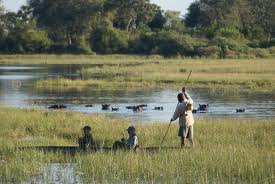
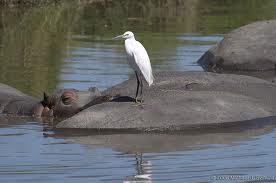
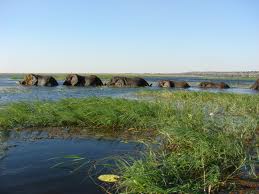
We came across the remains of a dead elephant. Our guide told us a story about it.
“The elephant got sick, and found a small island on which to die.”
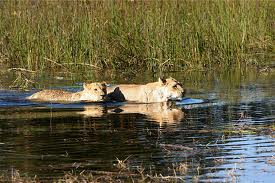
“The lions could smell it, so two of them swam across the swamp and feasted. They happily hollowed out the elephant from the inside, until there was nothing left but the skin. They were there for several days.”
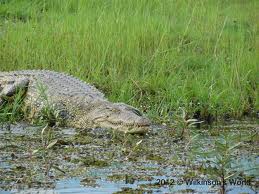
“Of course, when they tried to leave the island, the crocs ate the lions.”
He grinned. “Circle of life, yes?”
Paradise for Sale
My sweet little Kona condo is on the market. I calculate that if I get my price, I can travel for about 6000 days.
Or maybe get a place with a guest room and a garage. Wanna visit? All are welcome.
If you’re curious, pictures are here.
Having the guts to break even.
One afternoon in 1988 I took a wind-surfing lesson at Anini Beach, on Kauai’s north shore.
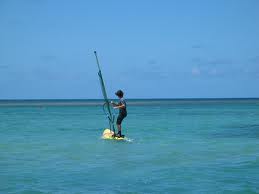
Except for body-surfing, I’d never surfed before. I did okay – only ran over one swimmer. You should have heard the mouth on that woman.
I got to talking to my instructor.
“So, what’s the biggest difference between wind surfing and regular surfing?” I asked.
“Well, one is about waves, the other is about wind, but I’d say the biggest difference is the people.”

“Serious surfers approach surfing very spiritually, almost like it’s their religion. They’ll get up at 5am and come out on the water to commune with the water and the elements. The universe, really. Sometimes they’ll sit for hours, waiting for the perfect wave. Almost like praying. A lot of them are vegetarians and buddhists.”
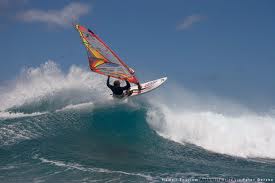
“On the other hand, wind surfers tend to be more technical , equipment-oriented and scientific in their outlook. Wind angles, plastic sails, lines and wires. They like to sleep in, have an espresso, maybe get out on the water in the afternoon. Business people, a lot of them.”
“How long have you taught wind surfing?”
“About twelve years now.”
“Always here at Anini?”
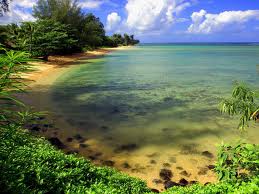
“The conditions here are best in the summer, so I teach here April through October. The rest of the year I teach snow-boarding in Telluride.”
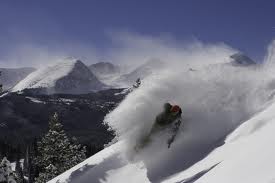
“Wow – six months in Hawaii, six months in Colorado – that sounds like a pretty great life.”
“Well, it’s hard to get ahead financially – seems like I just about break even each year, but I have a pretty good time. If you’ve got the guts, and you don’t care about climbing any corporate ladders or playing the middle-class status game, anyone could do it.”
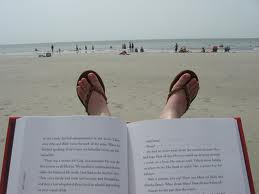
After the lesson, I realized I had three days left in Kauai, and nothing to read.
At a small bookstore I bought a John le Carre novel, and a New York Times. The clerk looked like someone’s grandma. Like most people on Kauai, she was happy to chat, except in Hawaii they don’t say “chat” – they say “talk story.”
“Have you lived on the island very long?” I asked her.
“About 25 years, now.”
“How did you happen to pick Kauai?”

“My husband and I came on a vacation. Like most people, after two weeks we didn’t want to leave. We looked at each other and said ‘Screw Ohio, let’s move here.’ So we flew home, quit our jobs and sold everything. We arrived here with two kids, about $2000 cash, no jobs, and no place to live. In our mid-thirties. My parents were bummed.”
“How did it go?”
“Well, I was pretty nervous at first, of course, but then my husband found a job with the public works department. Over the years he worked his way up, and we’ve done fine.”
“Have you always worked here in the bookstore?”
“Oh my, no. I’ve worked lots of different places. I like to take every other year off. That way I have lots of time for my kids and grandkids.”
“And you have no trouble finding work when you want it? I thought jobs were scarce out here.”
“If you look at all presentable, and you can read and write and you’re not on drugs, you can always find a job. You won’t get rich, but there’s always something if you’re willing to break even to live in Hawaii. Reliable employees are pretty hard to find on the island. The work ethic tends to be pretty casual in the tropics. A lot of the new arrivals are dreamers, hippies, transients and short-timers, so there’s a lot of turnover, and a lot of the locals won’t show up for work when the surf’s up.”
“Any regrets?”
“Every day we thank the good lord that we had the guts to move here. This is paradise.”
That little talk-story changed my life.
The Garske Awards
At the end of our ten-month, seventeen-country trip around the world in June, 2008, Joy and I created this list to summarize our observations. We called it the Garske Awards. These awards only cover the countries we visited on that trip: USA, Fiji, NZ, Australia, Bali, Thailand, Laos, Cambodia, India, Qatar, South Africa, Botswana, Egypt, Turkey, Greece, Italy and Denmark.

The world’s favorite food, based on popularity and widespread availability: pizza. They make some bizarre varieties around the world, but everyone loves it. Runner up: noodles.
Number of times we felt threatened: zero
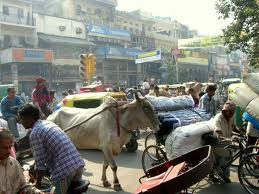
Number of times we felt endangered: every time we rode in a car in India
Number of times we got dirty looks or unfriendly treatment due to our nationality: zero.
Number of times concern was expressed to us about US militarism, foreign policy and the GOP nut jobs running our government (2000-2008): dozens.
Number of times we were asked about the 2008 US presidential election: dozens.
Number of times we heard “America will never elect a black man,” – dozens.
I told them we would, but few believed it. Much of the world was astonished by the election.
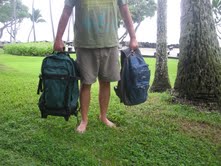
Baggage brought on trip: One small carry-on bag and one day pack, each.
Budget overrun: about 20%. It’s the unexpected stuff that gets you.

Worst night of the trip: Australia: a hot, cramped, damp, airless coffin-like trimaran berth on a Whitsunday Islands sail boat excursion, in a rainstorm. Runner up: also Australia, our first night, a Saturday in Sydney, at a cheap hotel with thin walls across the street from a loud, popular pub and the local ER (think: drunks yelling, barfing, and sirens all night long), where we learned that earplugs are absolutely essential for international travel.
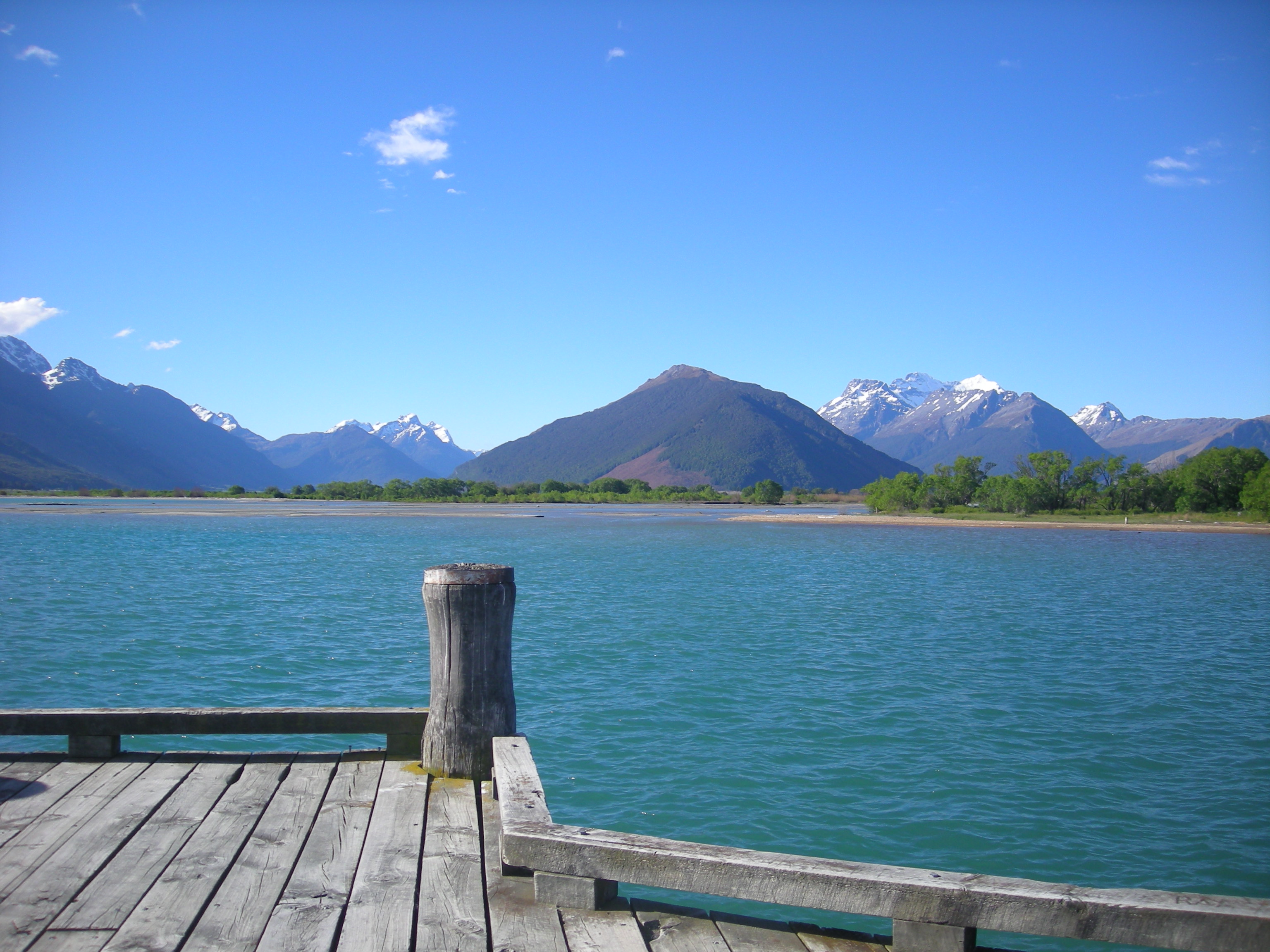
Most beautiful country: New Zealand. Runners up: USA and Italy
Least beautiful: India (some very nice spots, but nearly everything is covered in dried poop dust).
Best society: Denmark (no poverty, no crime, free health care, free college, six weeks vacation for all, minimum wage $15/hour, etc). Runner-up: Australia.
Society most needing improvement: Egypt (police state in 2008). Runner up: India (a mess, but at least it’s a democracy of sorts).
Friendliest people: New Zealand. Runners up: Bali and Turkey
Best food: Italy. Runner up: USA
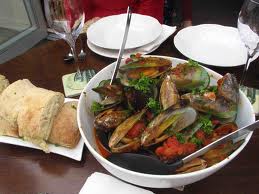
Most memorable meal: New Zealand (green-lip mussels we gathered while snorkeling, french bread and excellent chilled NZ sauvignon blanc. Mmmmm.)
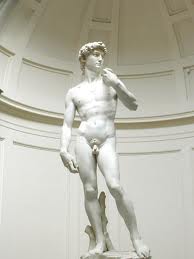
Best art, humanities and cultural treasures: Italy

Best building: Taj Mahal
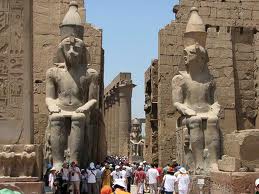
Best ruins: Egypt. Runners Up: a seven-way tie: Turkey, India, Cambodia, Thailand, Greece, Italy, Bali
Best hotel values: South Africa, Bali
Worst, most discourteous and dangerous drivers: India
Best drivers: USA (really!)
Best weather: Denmark (a shocking dark horse), California
Most disappointing weather: Australia, tons of rain, flooding
Most expensive countries: Europe

Most expensive meal: Santorini
Least expensive meal: India (a 25¢ lunch of naan (flat bread), dahl (spiced lentils), and palak paneer (creamed spinach). Runner up: Bali
Most affordable country: Bali, (Indonesia)
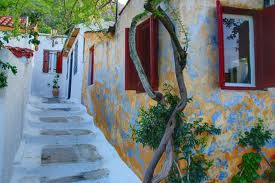
Most charming neighborhoods: Greece
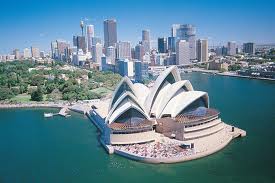
Most beautiful city: Sydney. Runner Up: Istanbul
Biggest pleasant surprise (city): Istanbul
Most beautiful waters: Fiji. Runners Up: Hawaii, Italy, Turkey, Greece
Place we’d move if we had to leave the USA: New Zealand
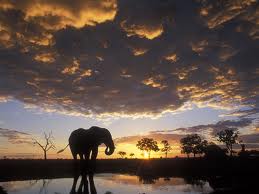
Places we’d most like to explore more of: Botswana, Australia, Indonesia
Country with most potential for rapid improvement: Turkey

Place with best combination of activities, beauty, friendly people and variety of unspoiled environments: Hawaii. Runner up: New Zealand
Health on trip: excellent. One five-day cold in Australia, some annoying allergies and one or two minor episodes of intestinal distress, quickly cured.
Feelings upon concluding the trip: Satisfaction, excitement about seeing friends and family, excitement about getting some good sushi and Mexican food.
Conclusions: Travel is safer, and a lot easier than it used to be. ATMs, the internet and international cell phones have changed everything. Tourism infrastructure has improved everywhere. The cost of all this is decreased variety, decreased adventure, and increased homogeneity.
Cultural differences don’t mask the fact that people are the same everywhere. They all want the same things, and are all capable of amazing feats of creativity, kindness, brutality and selfishness.
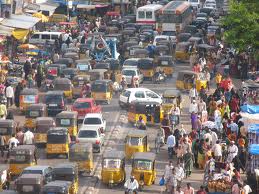
Unfortunately, the world cannot support our hungers much longer. Humanity will soon strip the world like a plague of locusts unless we make substantial changes in our behavior. India is a stark warning: a vision of the future if we don’t get our act together: poor, crowded, filthy, diseased, with extreme weather, crime and violence.

The world is an amazing and beautiful place. Each day we get to experience it is a wonderful day.
 Wandering the World