Talking Turkey

Arriving in Turkey for the first time feels a lot like arriving in Italy, Spain or Greece. Old-world Mediterranean. After Asia and Africa, the cobblestoned streets and cafes, vineyards and olive groves all seemed to whisper  “…you’re back in the west, now. Those other places were cool, but this civilization is your own. Welcome home.”
Image
It has that romantıc feeling. It makes sense – Istanbul was the capital of the Roman empire for almost a thousand years.
Image
The country is crammed with glorious ruins – more Roman ruins than Italy, more Greek ruins than Greece. The footpaths are littered with ancient pottery shards and chunks of classical sculpture, all overgrown wıth wildflowers and fruit trees.
Image
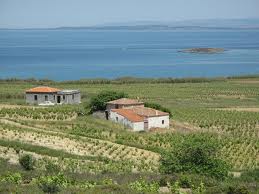
It’s no longer as cheap as it was, but if you’ve ever had that “Year in Provence” fantasy of owning and renovatıng a charming old villa on a hill, surrounded by your own olıves, grapes and oranges, with maybe a nice view of the Mediterranean in the distance, it’s stıll affordable in Turkey.
 Image
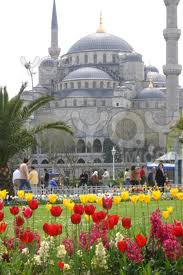
It irks the Turks that the world thinks of tulips as a Dutch thing.  The tulip is Turkey’s national flower. Their tea cups are all tulip shaped, and tulip patterns blanket the old Byzantine art and mosque walls.
Every April they plant four million tulip bulbs all over Istanbul.  It’s a psychedelic experience to taxi in from the airport and encounter miles of brilliant tulips everywhere you look. It makes an amazing first impression.
Image
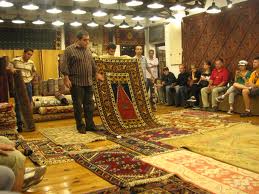
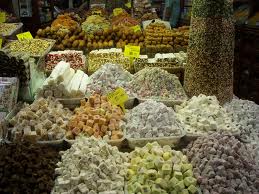
Then you encounter the Turks, and get an even better second impression. They’re warm and friendly, kind to tourists (and to each other) and surprisingly easy-going and funny. You’ll be walking down the street, savoring the aromas of shish kebab, turkish coffee and baklava, maybe admiring the rug displays.
Image
The shop keepers will (like everywhere) try to entice you in: Hello my friend, which country you from? Congratulations, you have found me!  Today you are my lucky first customer, I make special price for you! Ah, you are from California…LA or San Francisco? I have a cousin in Sacramento, would you lıke some nice apple tea? It’s free to look, I have very good quality. If you go Cappadocia, maybe you like visit my mother?
They love the banter, and they’re good at it.  Unlike Southeast Asıa, India or Egypt, they do it wıth grace and wit – and they’ll take no for an answer – they won’t hound you mercilessly all the way down the block. They’ll just smile and say okay, maybe later, please remember me. It makes you want to reward them. Walking the streets is fun. Everyone serves you free apple tea.
Image
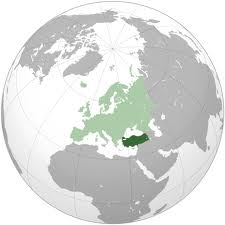
Turkey is the center of the old world. One foot in Europe, one in Asia. Africa and the Middle East are just over the horizon, Russıa, Iran and Iraq just next door. To be a Turk is to be a mongrel. Everyone took turns conquering the place, so some of the people look like Ghengis Khan, some look like Vikings. They are all fiercely patriotic (flags and pıctures of Ataturk are everywhere) and proud to be part of the special Turkish blend.
Image
The historical attractions are ridiculously plentiful. In the ruins of Troy, blood-red poppies cluster where Achilles slew Hector.
Image
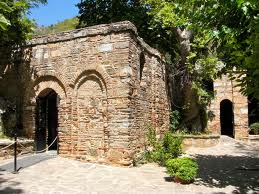
After Christ’s death, his mother Mary lived out her days in a small home near Ephesus – today it looks a lot like a small Napa winery.
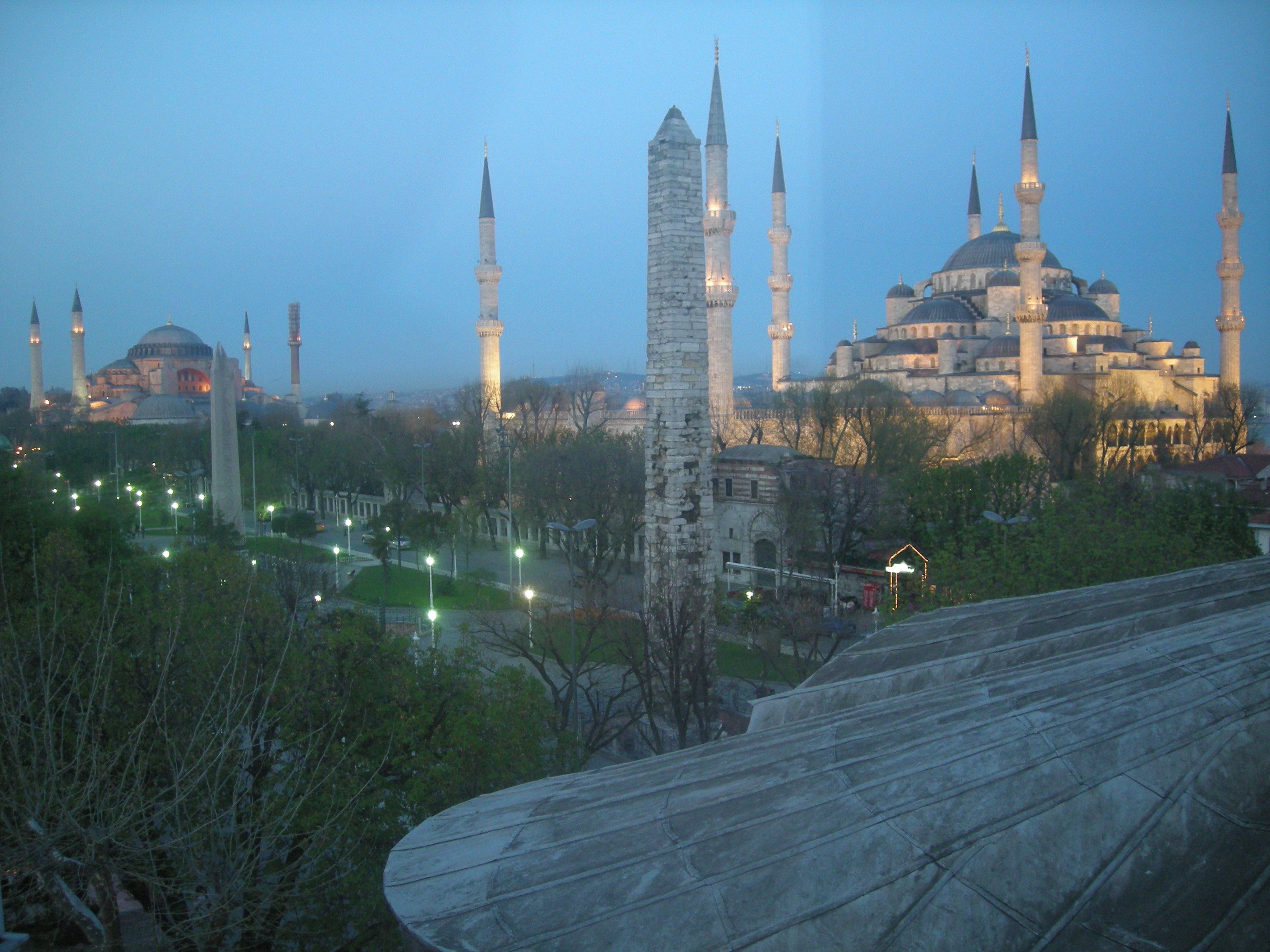
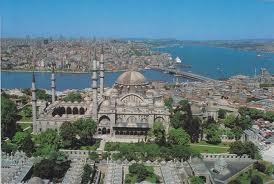
The list goes on and on – the ruins at Ephesus, the battle field of Gallipoli (Turkey, Australia and New Zealand all trace theır nationhood to this spot), Istanbul’s stunning Blue Mosque and Hagia Sofia, Noah’s ark’s mountain and three of the seven wonders of the ancient world. There is so much to see that it’s common to hear the tourists complain of cultural overload.
 Image
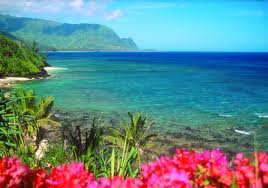
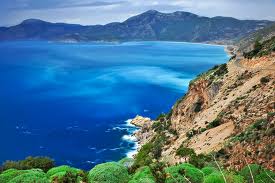
For me, the greatest attraction was the beauty of the coastline (Big Sur rugged, creamsicle-colored cliffs over turquoise waters, a thousand islands) and countryside (jagged mountains separating Sonoma-like valleys).
Image
There are only six agriculturally self-sufficient countries in the world, and Turkey is one of them. They are blessed with a lovely, rich and productive land.
Image
Ours was the standard tourist itinerary: a few days in Istanbul (the biggest city in Europe, looks like SF with mosques) then down to Gallipoli, the ruins at Troy and Ephesus,
Image
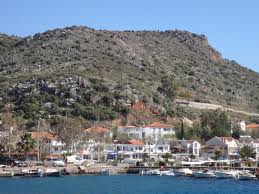
a few days chillıng at the lovely small fishing village of Bozburan,
Image
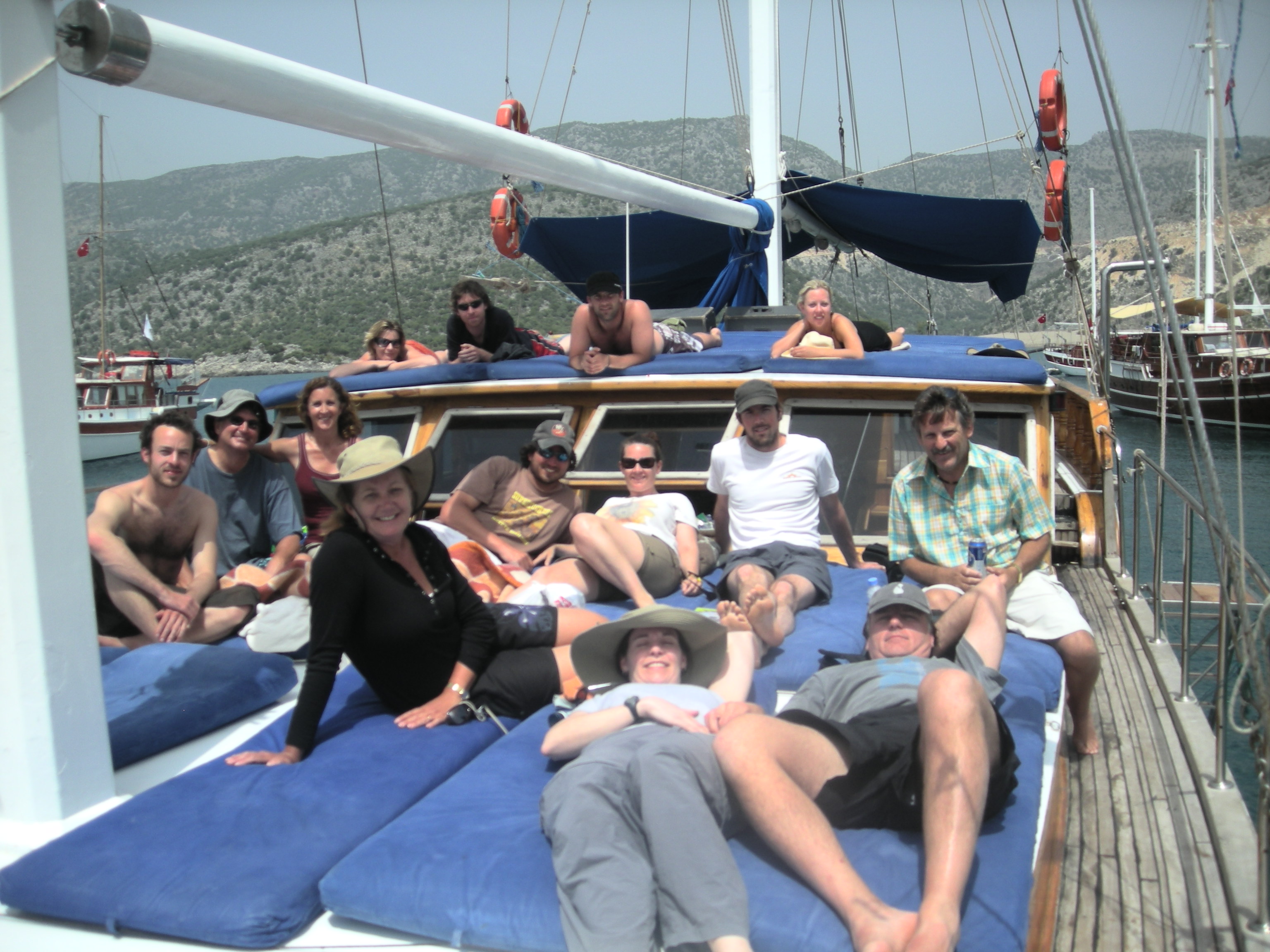
a four-day boat trip down the coast (that’s us on the left – me in the Mary Poppins hat), a few days at a hippy hang-out in Olympos,
Image
and finishing up in the bizarre Flintstones-like geographical whimsy of Cappadocia.
It’s so easy and fun to travel in Turkey. The roads are good if you want to rent a car (although gas is brutally expensive), but the bus system is excellent; reliable, comfortable, frequent and cheap. Everyone helps you. The hotels are friendly, clean, plentiful and reasonably priced – they all offer free breakfast (always the same – wonderful olives, tomatoes, cucumbers, feta cheese, bread, honey, tea/coffee and usually a boiled egg – and every meal comes with a bottomless basket of soft french-style bread) and they’ll set up your travel for you – bus tickets, reservations, tours, etc.
Image
Turkey is not all Turkish Delight, of course.  The society ıs divided: Muslim/secular, urban/rural, modern/traditional. In tourist areas the young Turks are as stylish as young Italians, but parts of the eastern countryside are as backward as nearby Iran. Like other muslim countries, the call to prayer wakes you at 4:30 am every morning, so proximity to mosques is a key factor when selecting a hotel.  Turkey is a fantastic place to visit. I can’t wait to go back.
Posted in Uncategorized | Leave a comment

Swiss Cheese

In Switzerland, I kept thinking about Yosemite.

Image

Switzerland has much better chocolate than Yosemite, though. Clocks, banks, cheese, and charming villages, too. On the other hand, Yosemite is a park. Switzerland is full of Swiss people.

I was almost broke, so we (my two buddies and me) cut back on fruits and vegetables and instead ate three big 100-gram chocolate bars every day. A fine thing – I strongly recommend it. Good chocolate was much rarer in the States at the time – now, of course, you can find a good variety of excellent chocolate everywhere, but in 1980 it was pretty special.

Image

One buddy was a serious chocolate connoisseur with very high standards. He watched me open one of these with a critical eye.

“Are you really getting into fruity chocolate?” he asked me, with the same tone he would use for “Do you really eat dog food?”

“It’s good,” I answered. “My approach is experiential – I plan to try every variety in the country before I’m done.”

“In a week? Forget it. You need to be a lot more discriminating.”

Image

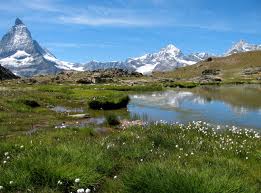
I recommend hiking to a high Swiss meadow with a plentiful supply of high-quality chocolate. If you’re like me, you will find yourself grateful to be alive. Then you’ll probably take a nap.

Image

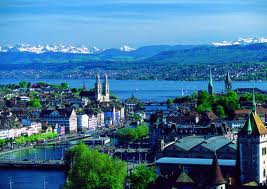
In Zurich we visited friends, and stayed with their parents in a big house by the river.

Image

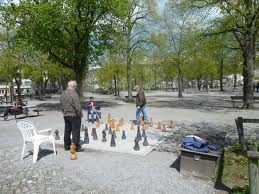
In the park I encountered my first big outdoor chess set. I’ve always loved chess, so I had to do it. People in Zurich will stop their strolling and watch a while, murmuring comments to each other on the quality of play. It’s a little intimidating. When I made a mistake and tried to take back my move, a Swiss gentleman sharply reminded me of the rules. I tried to explain that it was “just a friendly game, not a f**king international tournament, and besides, we’re playing, not you…” but it was no use. The Swiss are, by and large, a Germanic people. Very conservative in most regards. Women were first granted the right to vote there in 1971.

After dinner, our gracious host invited us into his den.

Image

Every night he ate a selection of six fine, expensive cheeses for dessert. Most of them were unfamiliar to us – unavailable at home due to US pasteurization laws.

One by one, we tried them. After the first three, my friends dropped out.

“They’re gooey and slimy, and they smell like dog shit,” my friends whispered to me.

“I don’t care – I can’t wimp out – I need to try them all,” I whispered back.

The cheeses got progressively nastier. Our host was enjoying our discomfiture immensely. He knew Americans would have no experience with cheeses like these.

“And now, for the finale,” he chortled. “It’s something of an acquired taste, even for me.”

He handed me a blob. You could smell the rot from six feet away.

I nearly made it,  but then I started thinking about dog shit, and threw up in my mouth a little. I choked it down, my eyes watering.

“You need to be a lot more discriminating,” my friend told me again.

Posted in Uncategorized | Leave a comment

Sex ed in Sweden.

My Swedish host, a banker, surprised me.

“We Swedes have a reputation for promiscuity that is overblown, but it is true that for us, sex is not such a big deal. It’s just something everyone should do a few times a week in order to stay healthy. Like moving your bowels. No guilt or romantic fantasy is necessary. You Americans are a bit neurotic in this regard, perhaps.”

“That sounds pretty healthy, all right,” I agreed.

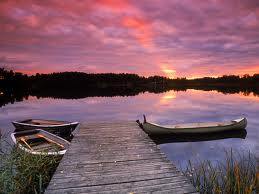
I had come to Sweden for a week of canoeing and camping with a buddy. Sweden in summer is beautiful – vast pine forests on gently rolling hills, long narrow lakes in each valley, tidy farmlands. Dusk lasts for hours. It’s like Minnesota, with the coastline of Maine. Smooth polished granite is everywhere.

Image

The prosperous socialists of Sweden have an excellent tradition known as “allmansratten” (everyone’s rights) which date from the Viking times. Essentially, it grants everyone equal access to all parts of the countryside. Anyone may camp anywhere, provided you don’t damage anything and stay at least a short distance from existing structures. This makes camping and outdoor activities in Sweden pleasurable and easy.

After a great week in the lakes district, my friend went home. I hitched toward Stockholm, two hundred miles east.

On the way I was picked up by a family of Swedish communists who lived in a renovated windmill in the pretty lake-side town of Stangnas. They took me home to dinner and offered me a bed for the night. The windmill was surprisingly cozy and comfortable. I thought it was excellent.

Image

“You’re really communists?” I asked.

“Sweden is a democracy, and the Communist party usually gets around 5% of the vote,” the dad, a printer, told me. “In practice, we’re generally the junior partner in a governing coalition with the larger and more centrist Socialist party. My mom became a communist back in the thirties, and we’ve all followed her lead. Isn’t that right, mom?”

“Of course I’m a communist!” the grandma laughed. “A cabbage costs seven kroner now – who wouldn’t be?”

Image

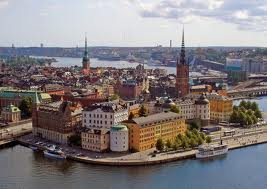
In the morning they drove me into Stockholm, a lovely city of cobblestones, islands and canals, where I stayed with the family of an old friend. His dad was a senior executive for the nation’s largest bank, and a big America-phile. He really wanted Sweden to become more like America.

“It doesn’t matter how hard I work. With our socialist tax structure, a bank president makes just a little more than a teacher or plumber. Do you think Mondale can beat Reagan next year? I met him last year and he impressed me. I may be a conservative here in Sweden, but your president is clearly crazy.”

“It all depends on the economy,” I said.

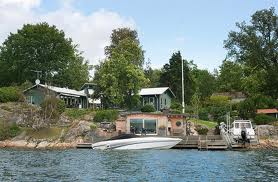
The Swedes suffer a long dark winter, so they take a lot of time off in the summer. Nearly every family has a summer cottage.

Image

They invited me to tag along on a three-day yachting trip in the Baltic Sea.

Image

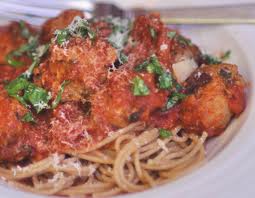
One night onboard they served spaghetti with moose-meat balls. I was a bit shocked, at first.

Image

“How can you eat moose? Aren’t they an endangered species or something?”

“Maybe in America, but here in Sweden they are everywhere – a huge pest. Everyone eats moose in Sweden.”

I have to admit, moose balls are delicious.

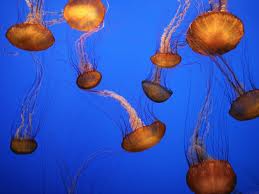
Between Sweden and Russia, the Baltic Sea warms up nicely in summer. It makes for comfortable swimming, but that weekend it was teeming with dinner-plate-sized jellyfish. Millions – you couldn’t dive in without hitting at least one.

Image

(“Very dangerous – you go first.”- Sallah, to Indy.)

My hosts assured me they weren’t dangerous, but I was careful to let them dive in first. It’s a little creepy to have these things bumping against you as you swim. Beautiful, though.

That night over dinner I asked my friend about his girlfriend.

“I remember the first time Inge came down to breakfast with him, back in high school,” his dad said.

Wait. What?

“Here in Sweden, people learn all about sex, STDs and birth control from an early age, and we usually start having sex at fourteen or fifteen. We believe it’s better if young people don’t burden themselves with complicated emotional baggage. If a young couple wants to sleep together, they use their parents homes. So much better than the back seat of a car, or sneaking around, don’t you think? Much healthier. Then they join the family for breakfast. This is traditional.”

My mouth dropped open. My friend laughed.

“It’s true. In my high school class there were about sixty kids – thirty boys and thirty girls. We’d have a dance most weekends, and it was traditional to take your date to your parents’ home afterwards. Once a month we’d have a Sadie Hawkins dance where the girl asks. If a girl asked you to the dance it was assumed that you’d meet her parents over breakfast in the morning. By the time we graduated, nearly every boy had slept with nearly every girl. It’s all very safe and natural here.”

“Holy cow. That is so different. Doesn’t it bother you that your girlfriend has slept with all your friends? I don’t know if I could handle meeting my date’s parents over breakfast at their home. I don’t know if I could handle it as a parent, either,” I said.

“Turns out  you’re a true American neurotic after all,” he observed.

Before you drop everything and rush off to Sweden, you should know that a beer costs about $10 there.

Posted in Uncategorized | Leave a comment

Homage to Greece.

On one hand, modern Greece is a picturesque nation on the periphery of Europe, distinguished for its excellent food, lively music, poverty, corruption and economic troubles.

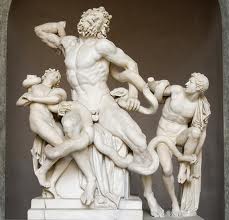
On the other hand, ancient Greece is the still-echoing explosion of genius that overshadows all Western civilization. After two thousand years of darkness and mediocrity, Michelangelo began copying ancient Greek sculpture and started the Renaissance.

Image

How does an up-and-coming civilization compete with a small group of people that in a very short period invented democracy and nearly all the arts and sciences we still study? There’s no competition – best to just pay homage.  

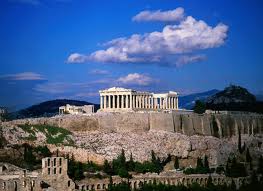
Most folks just climb up the hill of red marble known as the Acropolis, gape at the Parthenon, maybe check out the museum and a few more ruins, gobble some gyros and head to the islands.

Image

Warning: if you’re like me and study the ground for ancient pottery fragments as you climb up the Acropolis, you will bang your head on a large olive tree. Hard. And if you get lucky and find a piece, the guards will yell at you until you drop it – they are touchy about the scattered shards of their national heritage.

Image

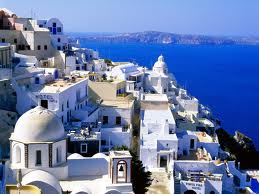
Thira (aka Santorini) is the poster child of Greek islands. Stunning and popular, expensive and well-stocked with excellent food and wine, Thira’s islands are the fragments of an ancient volcano rim. There is convincing evidence that when it exploded around 1600 BC, it destroyed the great Minoan civilization on Crete, and probably started the legend of Atlantis. 

Image

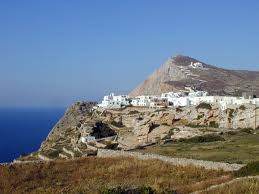
Greece is all about fishing villages. And goats. It’s worth a visit to see lesser-known, more remote islands too, if possible. A different side of Greece. We chose quiet Folegandros based on convenience and the ferry schedules. There were about six tourists on the whole island in May. If you saw the movie “Mama Mia” you got a good view of a Greek island. 

Image

Greece oozes charm. The people are friendly.  

Image

Cobblestone lanes, flowers everywhere, dazzling white adobe-style homes with bright blue shutters and trim. The whole country looks like their flag – blue and white. The tourist ads for Greece don’t lie.  

Image

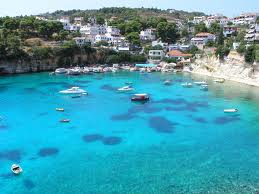
They’re pretty cold and more or less fished out, but the waters of the eastern Mediterranean really are an amazing color.

Because of Greece’s membership in the Euro, everything costs about twice what it should, but that may be changing soon. When it does, I’d happily go back and explore some more. 

Posted in Uncategorized | Leave a comment

The top 100 books…

…according to people who should know. A Norwegian outfit contacted 100 top writers around the world and asked each of them for their list of the ten best and most important books – this is the resulting compilation. In one of my early posts I quoted Faulkner’s line about how to become wise: “Travel as much as you can, and read as much as you can – especially the classics.” Well, I have a long way to go, since I’ve only read about 20% of this list. I’d better get to work. I hope most of these can be found in large print…

Incidentally, the book that was most often cited, thus deemed to come in “first place”, was Don Quixote.

1984 by George Orwell, England, (1903-1950) Love, love, love that book. His others, too. Especially Homage to Catalonia.

A Doll’s House by Henrik Ibsen, Norway (1828-1906) Saw the play. Haven’t read it, yet.

A Sentimental Education by Gustave Flaubert, France, (1821-1880)

Absalom, Absalom! by William Faulkner, United States, (1897-1962)

The Adventures of Huckleberry Finn by Mark Twain, United States, (1835-1910)

The Aeneid by Virgil, Italy, (70-19 BC)

Anna Karenina by Leo Tolstoy, Russia, (1828-1910)

Beloved by Toni Morrison, United States, (b. 1931)

Berlin Alexanderplatz by Alfred Doblin, Germany, (1878-1957)

Blindness by Jose Saramago, Portugal, (1922-2010)

The Book of Disquiet by Fernando Pessoa, Portugal, (1888-1935)

The Book of Job, Israel. (600-400 BC)

The Brothers Karamazov by Fyodor M Dostoyevsky, Russia, (1821-1881)

Buddenbrooks by Thomas Mann, Germany, (1875-1955)

Canterbury Tales by Geoffrey Chaucer, England, (1340-1400)

The Castle by Franz Kafka, Bohemia, (1883-1924)

Children of Gebelawi by Naguib Mahfouz, Egypt, (b. 1911)

Collected Fictions by Jorge Luis Borges, Argentina, (1899-1986)

Complete Poems by Giacomo Leopardi, Italy, (1798-1837)

The Complete Stories by Franz Kafka, Bohemia, (1883-1924)

The Complete Tales by Edgar Allan Poe, United States, (1809-1849)

Confessions of Zeno by Italo Svevo, Italy, (1861-1928)

Crime and Punishment by Fyodor M Dostoyevsky, Russia, (1821-1881)

Dead Souls by Nikolai Gogol, Russia, (1809-1852)

The Death of Ivan Ilyich and Other Stories by Leo Tolstoy, Russia, (1828-1910)

Decameron by Giovanni Boccaccio, Italy, (1313-1375)

The Devil to Pay in the Backlands by Joao Guimaraes Rosa, Brazil, (1880-1967)

Diary of a Madman and Other Stories by Lu Xun, China, (1881-1936)

The Divine Comedy by Dante Alighieri, Italy, (1265-1321)

Don Quixote by Miguel de Cervantes Saavedra, Spain, (1547-1616)

Essays by Michel de Montaigne, France, (1533-1592)

Fairy Tales and Stories by Hans Christian Andersen, Denmark, (1805-1875)

Faust by Johann Wolfgang von Goethe, Germany, (1749-1832)

Gargantua and Pantagruel by Francois Rabelais, France, (1495-1553)

Gilgamesh Mesopotamia, (c 1800 BC)

The Golden Notebook by Doris Lessing, England, (b.1919)

Great Expectations by Charles Dickens, England, (1812-1870)

Gulliver’s Travels by Jonathan Swift, Ireland, (1667-1745)

Gypsy Ballads by Federico Garcia Lorca, Spain, (1898-1936)

Hamlet by William Shakespeare, England, (1564-1616)

History by Elsa Morante, Italy, (1918-1985)

Hunger by Knut Hamsun, Norway, (1859-1952)

The Idiot by Fyodor M Dostoyevsky, Russia, (1821-1881)

The Iliad by Homer, Greece, (c 700 BC)

Independent People by Halldor K Laxness, Iceland, (1902-1998)

Invisible Man by Ralph Ellison, United States, (1914-1994) I need to read this again. I was too young the first time.

Jacques the Fatalist and His Master by Denis Diderot, France, (1713-1784)

Journey to the End of the Night by Louis-Ferdinand Celine, France, (1894-1961)

King Lear by William Shakespeare, England, (1564-1616)

Leaves of Grass by Walt Whitman, United States, (1819-1892)

The Life and Opinions of Tristram Shandy by Laurence Sterne, Ireland, (1713-1768)

Lolita by Vladimir Nabokov, Russia/United States, (1899-1977)

Love in the Time of Cholera by Gabriel Garcia Marquez, Colombia, (b. 1928)

Madame Bovary by Gustave Flaubert, France, (1821-1880)

The Magic Mountain by Thomas Mann, Germany, (1875-1955)

Mahabharata, India, (c 500 BC)

The Man Without Qualities by Robert Musil, Austria, (1880-1942)

The Mathnawi by Jalal ad-din Rumi, Afghanistan, (1207-1273)

Medea by Euripides, Greece, (c 480-406 BC) I’m pretty sure I read the Cliff’s Notes. Doesn’t count, I guess.

Memoirs of Hadrian by Marguerite Yourcenar, France, (1903-1987)

Metamorphoses by Ovid, Italy, (c 43 BC)

Middlemarch by George Eliot, England, (1819-1880)

Midnight’s Children by Salman Rushdie, India/Britain, (b. 1947)

Moby-Dick by Herman Melville, United States, (1819-1891)

Mrs. Dalloway by Virginia Woolf, England, (1882-1941)

Njaals Saga, Iceland, (c 1300)

Nostromo by Joseph Conrad, England,(1857-1924)

The Odyssey by Homer, Greece, (c 700 BC)

Oedipus the King Sophocles, Greece, (496-406 BC)

Old Goriot by Honore de Balzac, France, (1799-1850)

The Old Man and the Sea by Ernest Hemingway, United States, (1899-1961)

One Hundred Years of Solitude by Gabriel Garcia Marquez, Colombia, (b. 1928)

The Orchard by Sheikh Musharrif ud-din Sadi, Iran, (c 1200-1292)

Othello by William Shakespeare, England, (1564-1616)

Pedro Paramo by Juan Rulfo Juan Rulfo, Mexico, (1918-1986)

Pippi Longstocking by Astrid Lindgren, Sweden, (1907-2002)

Poems by Paul Celan, Romania/France, (1920-1970)

The Possessed by Fyodor M Dostoyevsky, Russia, (1821-1881)

Pride and Prejudice by Jane Austen, England, (1775-1817) The movie doesn’t count.

The Ramayana by Valmiki, India, (c 300 BC)

The Recognition of Sakuntala by Kalidasa, India, (c. 400)

The Red and the Black by Stendhal, France, (1783-1842)

Remembrance of Things Past by Marcel Proust, France, (1871-1922)

Season of Migration to the North by Tayeb Salih, Sudan, (b. 1929)

Selected Stories by Anton P Chekhov, Russia, (1860-1904)

Sons and Lovers by DH Lawrence, England, (1885-1930)

The Sound and the Fury by William Faulkner, United States, (1897-1962)

The Sound of the Mountain by Yasunari Kawabata, Japan, (1899-1972)

The Stranger by Albert Camus, France, (1913-1960) Need to reread this, too.

The Tale of Genji by Shikibu Murasaki, Japan, (c 1000)

Things Fall Apart by Chinua Achebe, Nigeria, (b. 1930)

Thousand and One Nights, India/Iran/Iraq/Egypt, (700-1500)

The Tin Drum by Gunter Grass, Germany, (b.1927)

To the Lighthouse by Virginia Woolf, England, (1882-1941)

The Trial by Franz Kafka, Bohemia, (1883-1924)

Trilogy: Molloy, Malone Dies, The Unnamable by Samuel Beckett, Ireland, (1906-1989)

Ulysses by James Joyce, Ireland, (1882-1941)

War and Peace by Leo Tolstoy, Russia, (1828-1910)

Wuthering Heights by Emily Brontë, England, (1818-1848)

Zorba the Greek by Nikos Kazantzakis, Greece, (1883-1957)

Posted in Uncategorized | Leave a comment

Learning to love the French.

It was the last day of a 5-month trip, and I was down to my last $4.  In those days I always arrived home flat broke. It was May, 1980. I was 24.

My all-night train from Switzerland rolled into the Paris train station at 6am. I had twelve hours to see the City of Lights for the first time before catching my flight home.

I was nervous – I’d heard the French could be pretty awful to non-French-speaking tourists.  I stashed my pack in a train-station locker, and got in line at the Tourist Information booth.

Sure enough, when I asked in English for a city map, the attractive young woman behind the counter reacted like I had struck her. She rolled her eyes, looked at me like I was an insect and suggested I learn French. She was haughty and rude. It was extremely unpleasant; even worse than I’d feared. And this from someone whose job was to assist tourists like me. She gave me the map, though.  I started walking.

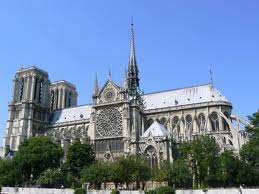
It wasn’t far to the River Seine and Notre Dame Cathedral. It was already open, and, more importantly for me, it was free.

Image

I stopped in the nearby Sainte Chapelle.

Image

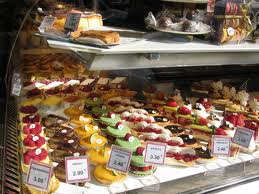
As I walked the city, the beautiful shop windows of Paris tortured me.

Image

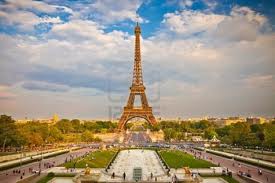
I made a big circle through the Left Bank and St. Germain, to the Tower.

Image

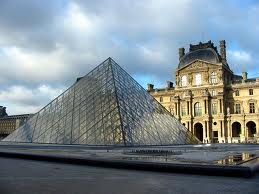
Joni Mitchell’s “Free Man in Paris” echoed in my head as I made my way down the Champs Elysees, past the cafes and cabarets. After some time sniffing the roses at Le Tuileries, contemplating the pros and cons of the guillotine at Le Place de la Concord, and gawking at Monet’s water lilies in L’Orangerie, it was time for the final event: The Louvre.

Image

It’s takes about three days to really see the Louvre; I had about three hours. I raced through the ancient Greek and Roman stuff, checked out the Mona Lisa (smaller than I expected) and spent most of my time on the Impressionists. It was dazzling.

Now my time was getting short – I needed to catch the metro to the airport. I walked back to the train station for my pack. I looked everywhere, but couldn’t find my locker. I couldn’t even find the dreaded Information Booth. I started to panic.
“Excuse me. May I help you?”

It was a pudgy, middle-aged man in a suit. A well-dressed French businessman. Speaking English. I explained my problem.

“Ah. From where did you take your train to Paris?”

“From Basel, in Switzerland.”

“I see. Well, there are seven major train stations in Paris. Your bag is in the Gare de Lyon, but this is the Gare du Nord. It’s some ways across the city.”

“Oh, my god. I’m going to miss my flight. I’m out of money. Shit. Shit. Shit. Oh, my god. Shit.” I started pacing and grinding my teeth.

“Don’t worry, monsieur. Come with me.”

That conservative-looking French businessman led me to the metro, bought my ticket, rode with me across town to the correct train station, helped me find my pack, took me back to the metro and put me on the right train to the airport. He spent about 45 minutes of his day crossing Paris with me, helping a complete stranger. He saved my ass. I made my flight.

That’s why, whenever I hear someone bad-mouth the French I will always say: I love the French.

Plus, they were right about Iraq. “Freedom Fries” my ass.

Posted in Uncategorized | Leave a comment

The Killing Fields

Image

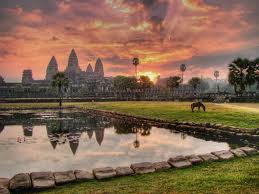
Angkor Wat in Siem Riep, Cambodia- the largest religious monument in the world. There are around 1000 other temples nearby, moldering in the jungles. Everyone goes to the four most spectacular ones, so that leaves 996 others, mostly empty of tourists.

Whenever you can, I recommend visiting places that most people are afraid to visit, but which are actually pretty safe. If you can exploit the difference between the perception of danger and the actual danger, which is sometimes a pretty large spread, you’ll have a great time, the locals will fall all over themselves to take care of you, and you’ll save a ton of money.

Current examples of opportunities like this would include Iran, Columbia, Mexico, Nicaragua, Myanmar, Venezuela and Lebanon. Soon we can add Libya. All these places are much safer than is generally realized, which spells opportunity for inexpensive and memorable travel.

 Image

I was fortunate to first arrive in Cambodia shortly after their civil war. Defeated soldiers were still holed up in remote areas – a few had resorted to banditry to survive. A couple of tourists had been kidnapped and killed  a few months before. Most governments still advised their citizens against visiting, so there were very few tourists. Some roads still had bomb craters. Everywhere there were signs warning “Land Mines – Keep on Trail.”

Image

I loved it. The Cambodians were sick to death of war, and just wanted to make a normal life. They were delighted to see a few tourists. A decent room was about $5, a good meal about $2. The food was delicious, the temples mesmerizing.

Image

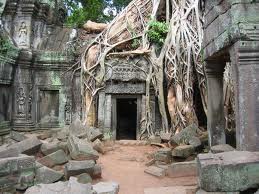
There were only about four tourists in the famous “Ta Prohm” temple ruins that day. Just a few years later, when I returned, there were hundreds of tour buses lined up outside, snack bars, souvenir shops and oceans of people. Prices had skyrocketed, of course, which was great for the locals, but which created a completely different experience. Still cool, though, especially if you have any Indiana Jones or Laura Croft-style fantasies.

Image

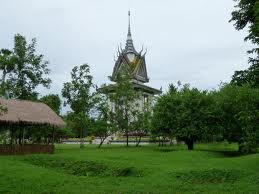
In Phnom Penh I hired a motorbike and driver to take me out to The Killing Fields.

Image

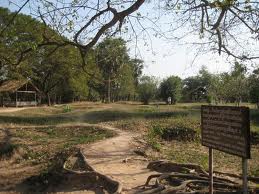
Walking through, reading the signs about the vastness of the terrible atrocities committed there, I tried hard to sense the pain of the victims. To hear some ghostly echos. I’ve tried the same thing at My Lai and Vicksburg, but… for me at least, nothing. Just a chance to pay one’s respects.

Image

The memorial there is hollow, and stacked to the rafters with thousands of the victims’ skulls. It’s stark. Powerful.
Image

On the way back to town, I asked my moto-driver about his family.

“Not much family now. Just kids. I am oldest – twenty three. My parents, brother, all aunts and uncles killed in war.”

My god. That’s terrible.

“It’s normal. Every family here same. In the long fighting our population go down 7 million to 3 million so fast. So so terrible time.”

You’re the oldest in your family?

“Yes, only young ones and very old ones now. My parents’ generation wiped out. Now almost no one in Cambodia between ages of 25 and 45.”

I’m so sorry. Especially for any role my government might have played.

“Oh, yes, Nixon invasion 1970 started civil war. Don’t feel bad – not your fault. Hey, before we go hotel, you want shoot AK-47?”

The  gun? Seriously?

“Yes, yes! I know place. You pay five dollars and they show you. It’s fun! If you pay $50 you get to shoot a cow!”

Posted in Uncategorized | Leave a comment

What do these things have in common?

Image

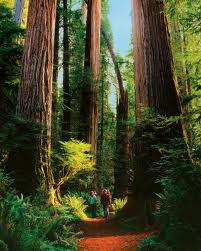
The biggest living things on earth.

Image

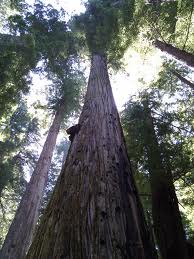
The oldest – already 3000 years old when Christ walked.

Image

The tallest living things on the planet – the height of a 35-story building.

Image

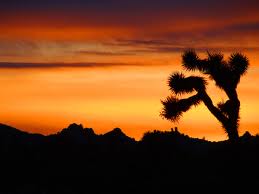
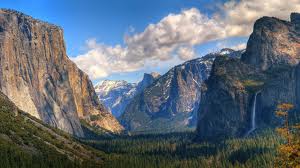
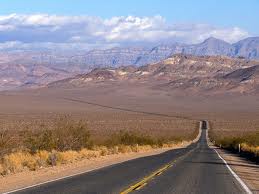
The lowest, driest, hottest place in North America.

Image

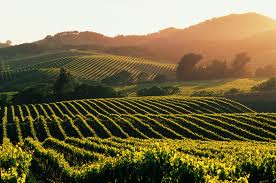
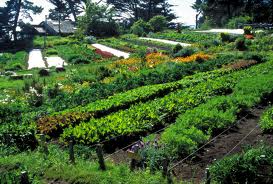
The richest, most productive agriculture in the world.

Image

Nearly perfect weather. Legendary wine.

Image

World class deserts.

Image

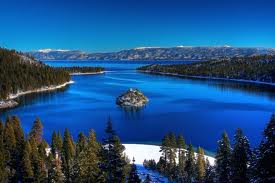
Stunning lakes.

Image

North America’ second-deepest lake, ringed with ski resorts.

Image

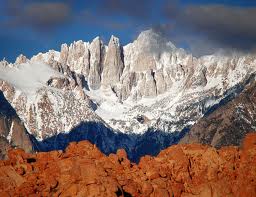
Spectacular mountains, and the highest point in the lower 48 states.

Image

Massive active volcanoes.

Image

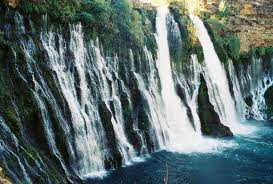
Shedding amazing waterfalls.

Image

The planet’s most beautiful valley.

Image

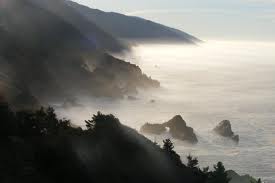
One of its most dramatic coastlines.

Image

One of the world’s most beautiful and vibrant cities.

Image

Home to the world’s most innovative science and technology leaders.

Image

Famously tolerant, creative and diverse.

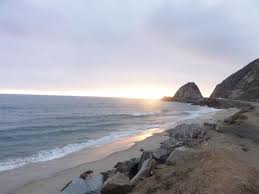
Famous beaches, and surfing.

Image

And movie stars.

It’s California, of course. The fabled golden land where dreams come true.  If you can afford a tank of gas and you live there already, you can go see any of these things, this weekend.

The variety is astounding. Many of these are quite close together. Heck, you can see three or four world-class spots this weekend, if you try.

More than once, people I’ve met overseas have said: You’re from California? What the hell are you doing here? Everyone here is dreaming of moving there!

Restless people make their way to California. If that doesn’t soothe the aching, they continue west to Hawaii.

If that doesn’t work, they continue west to Thailand. So it goes.

Posted in Uncategorized | Leave a comment

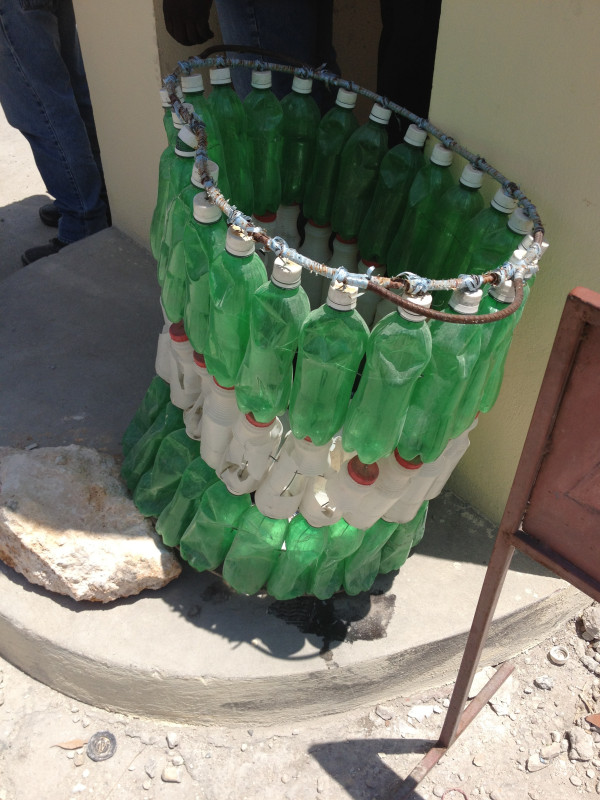
Haitian trash cans…

Image

…are made of trash. Economical, no? The poverty-stricken waste little. 

Posted in Uncategorized | Leave a comment

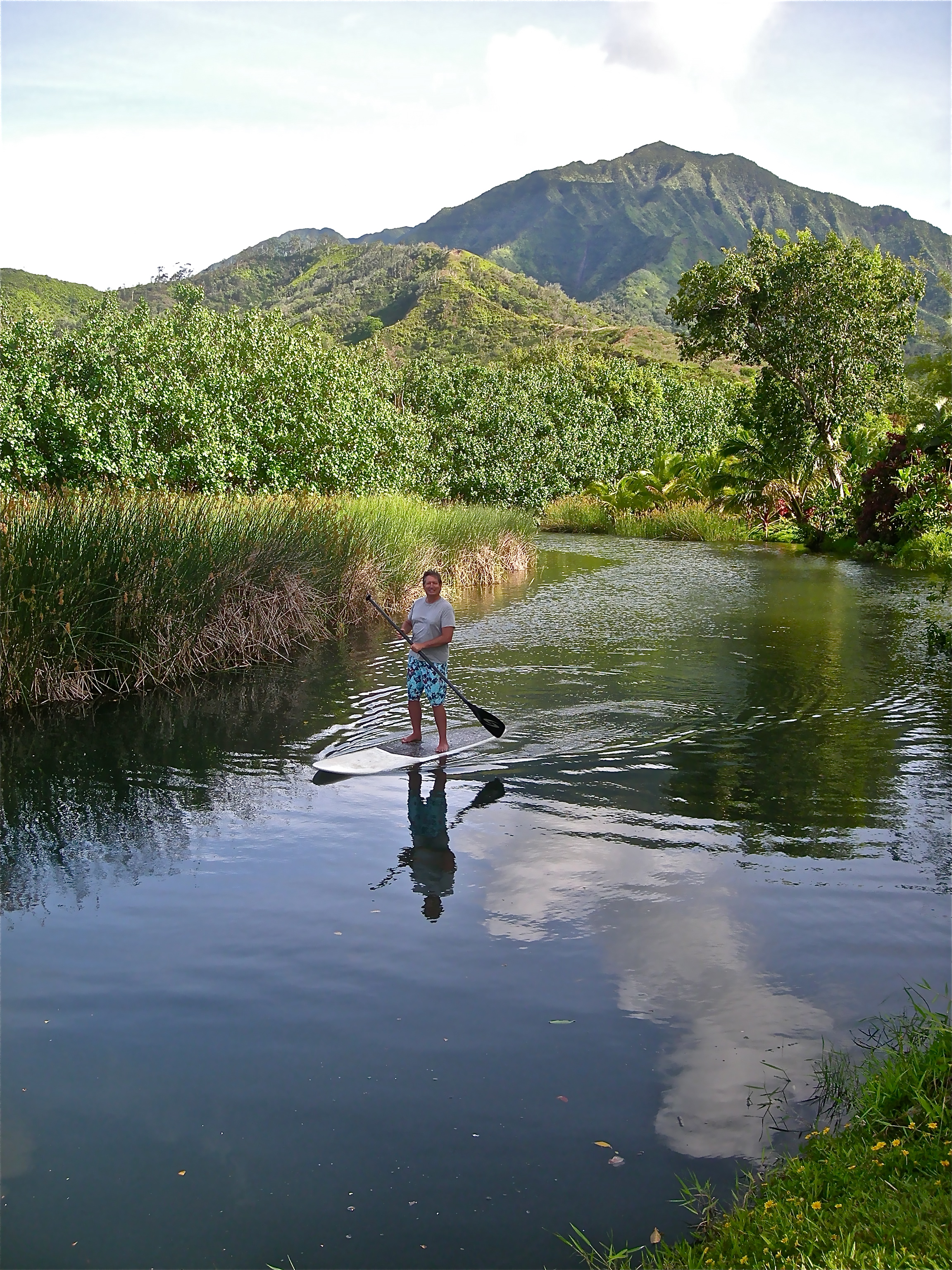
Paddle boarding. One down, 449 to go.

Image

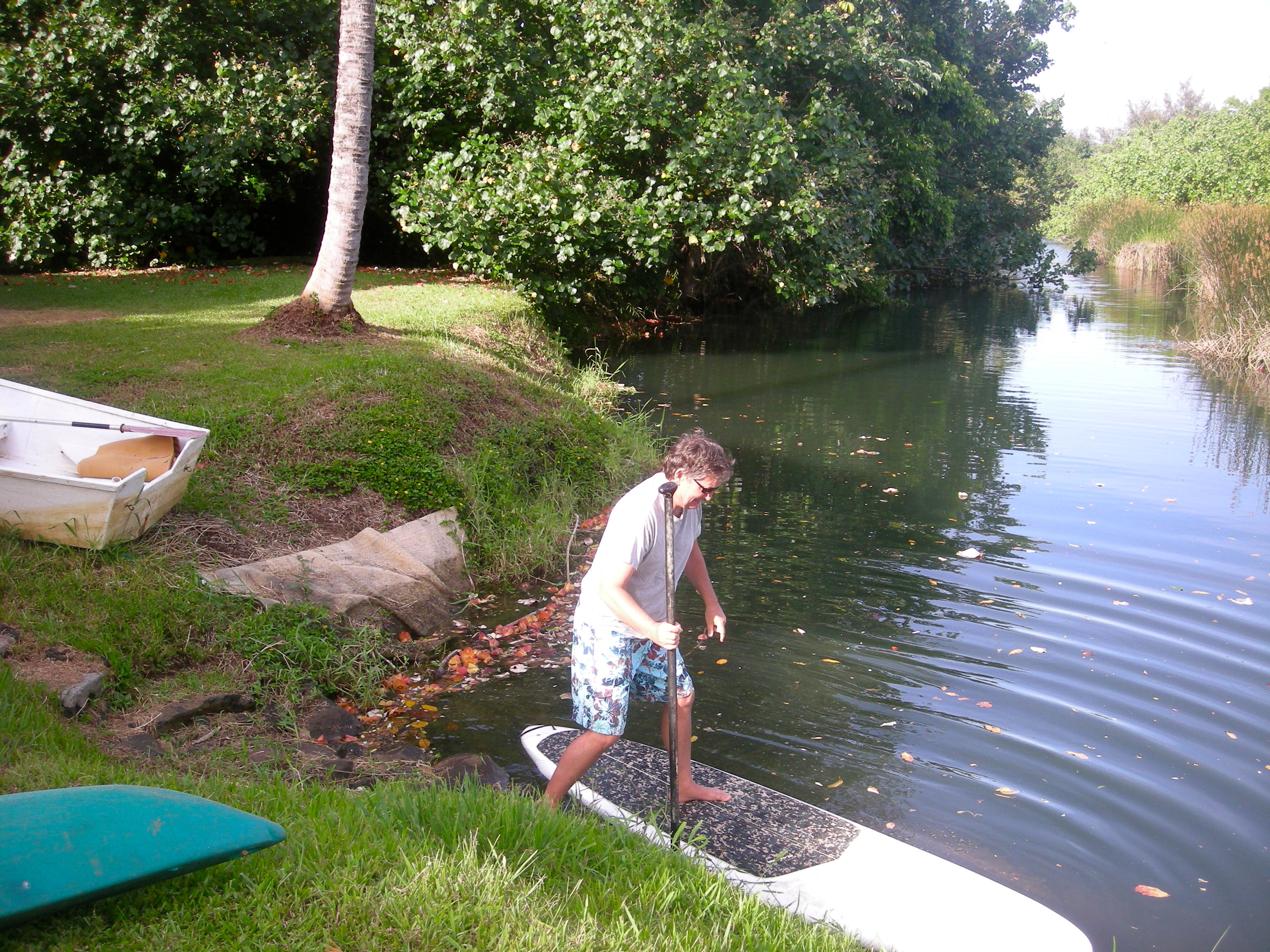
The couple that owns the place we’re staying in Hanalei are accomplished surfers – that’s why they moved here from Santa Cruz. They have a paddle board in the yard and told us to use it any time. I think it might be lighter and shorter than the ones instructors use, because stepping onto it was trickier than I expected – the sensation of wobbly instability was intense. The bastard was trying to pitch me into the river from the onset.

Image

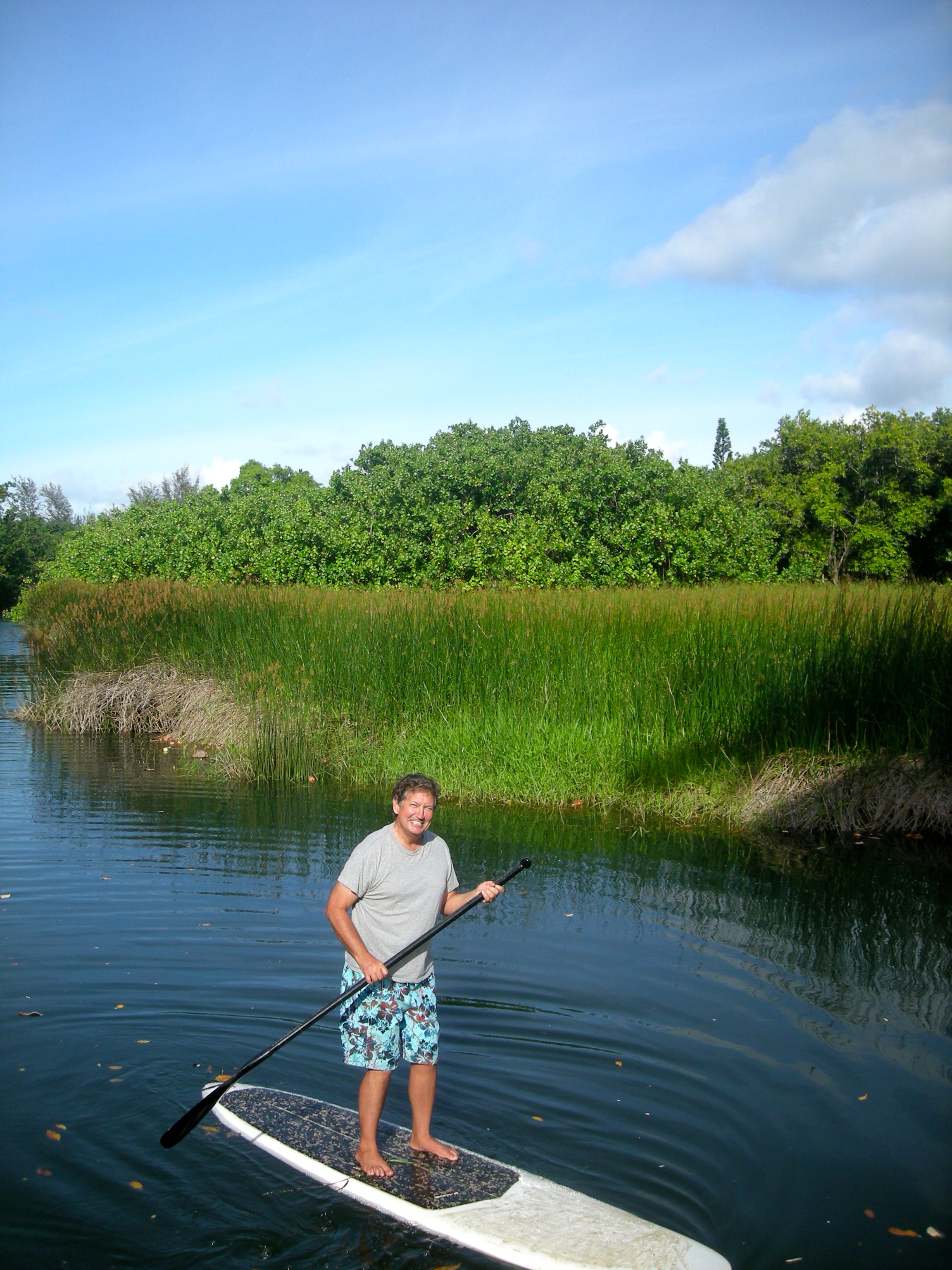
After a few minutes of comical gyrations, I started to get the hang of it.

Image

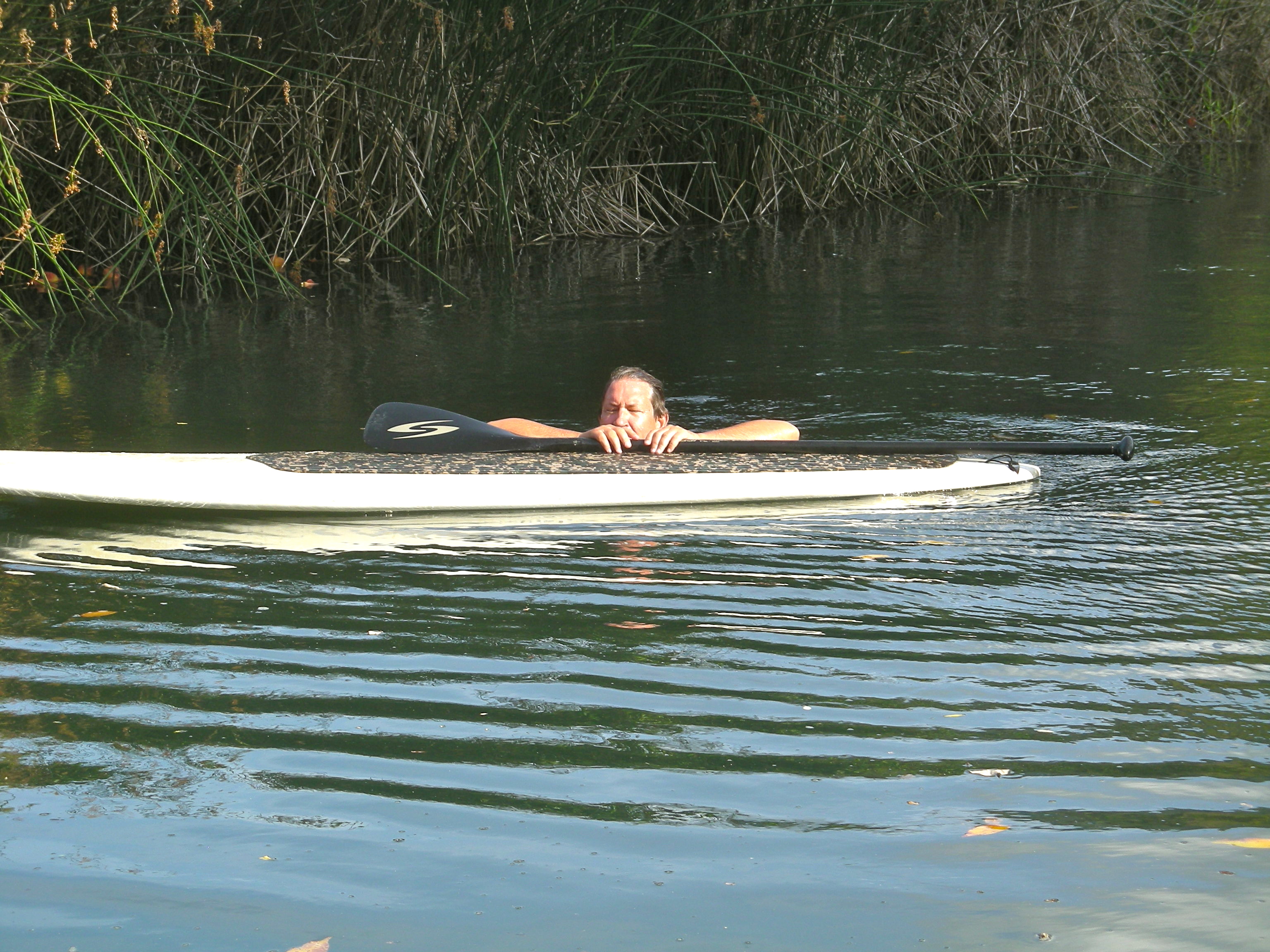
The moment I started getting some confidence…

Image

…it dumped me into the river. I fell in three times in the twenty minutes I was out there. The water was nice – cool, clean and full of fish. I think tomorrow I’ll start taking swims before breakfast.

Getting myself and the board out of the river was trickier still. I took a spill climbing the bank, and went down hard. As I write this, my knee is bleeding and my foot is swollen, elevated and on ice. I hope I can walk tomorrow. Never mind. I checked something off my list today, and had a new experience. I’m a pretty happy injured puppy.

Posted in Uncategorized | 1 Comment